
Most farms do not fail in one bad season. They fail slowly. Year after year, small stresses accumulate until one shock finally breaks the system. When we talk about economic sustainability on farms, especially small farms in India, the real question is not how to earn more this year, but how to continue farming ten years from now without exhaustion or debt.
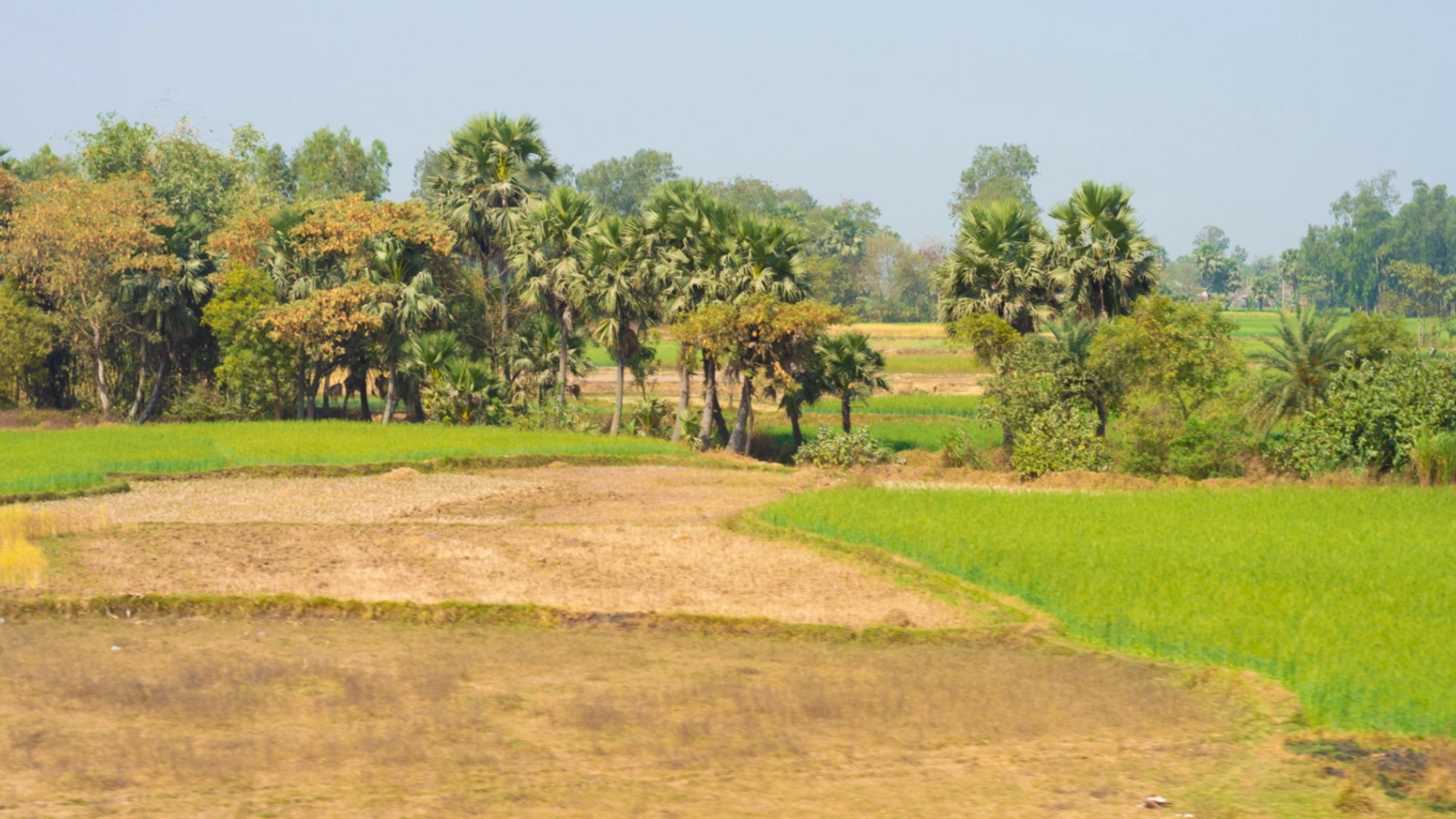
At Terragaon Farms in Birbhum, West Bengal, economic sustainability became visible only when we started looking across seasons instead of seasons in isolation. Some years were good. Some were average. A few were difficult. What mattered was that the farm continued without collapse. This article explains what actually makes a farm economically sustainable over a decade under Indian conditions.
Sustainability begins with cost predictability
Long term sustainability depends more on predictable costs than high income.
Small farms rarely control prices. Crop prices fluctuate. Milk prices rise slowly but fall quickly. What farmers can control is how unstable their expenses are. Farms with volatile costs experience constant stress. Farms with predictable costs can plan calmly.
Feed dependency, input purchases, and fixed repayments create unpredictability. When these are reduced, even moderate income becomes sufficient to sustain a household over time.
Systems that survive bad years are sustainable
A ten year horizon includes bad years by default.
Drought, excessive rain, disease outbreaks, and market disruptions are not exceptions. They are part of farming reality. Economically sustainable farms are not those that perform best in good years, but those that survive bad ones without irreversible damage.
This survival depends on buffers. Low debt. Flexible expenses. Healthy soil. Manageable labour. These buffers absorb shocks quietly.
Labor sustainability decides continuity
Many farms collapse because people collapse first.
When family labor is stretched continuously, motivation erodes. Health declines. Younger members disengage. The farm may still function, but it becomes fragile.
Economically sustainable farms design work around human limits. Routines have rhythm. Peak workload is seasonal, not constant. Rest exists. Decision making remains clear.
Labor sustainability is an economic factor, not a lifestyle issue.
Soil health protects future income
Soil is a long term asset, not a short term input.
Farms that extract continuously from soil without replenishing organic matter lose water holding capacity, nutrient cycling efficiency, and biological resilience. Yields may hold temporarily, but input dependency rises.
Over ten years, soil degradation converts natural processes into paid inputs. Soil regeneration reverses this trend. Healthy soil reduces cost and risk over time.
This is why farms focused on soil health often appear slower initially but stronger later.
Fixed costs limit long term flexibility
Loans, machinery, and permanent infrastructure create obligations that last longer than optimism.
Fixed costs reduce a farm’s ability to adapt. When income drops, repayments remain. When conditions change, systems cannot adjust easily.
Sustainable farms minimize fixed costs and prefer flexible solutions. They choose simplicity over scale. This flexibility becomes critical during unpredictable years.
Integration reduces expense across the system
Economic sustainability improves when farm components support each other.
Crops feed livestock. Livestock supports soil. Residues become resources. Waste disappears. Integration reduces duplication of expense and effort.
Standalone enterprises compete for the same resources. Integrated systems share them.
Over ten years, this difference compounds significantly.
Conservative expansion protects longevity
Rapid expansion often feels like progress. Over time, it becomes pressure.
Sustainable farms expand cautiously or not at all. They stabilize one system before adding another. They observe performance across multiple seasons before committing further resources.
This conservatism is not lack of ambition. It is respect for risk.
Market realism prevents disappointment
Markets change faster than farms.
Economically sustainable farms do not depend on optimistic pricing assumptions. They plan for average prices, not peak prices. Premiums are treated as bonus, not foundation.
This realism protects farms when trends fade or competition increases.
Measuring success over a decade
Short term profit does not predict long term sustainability.
Better indicators are continuity, debt level, soil condition, labor stability, and stress frequency. Farms that score well on these measures tend to survive.
Those that chase short term numbers often disappear quietly.
Final thoughts
What makes a farm economically sustainable over ten years is not exceptional performance, but consistent restraint.
Predictable costs, healthy soil, manageable labor, low debt, integration, and realism create resilience. This resilience allows farms to continue when conditions are unfavorable.
At Terragaon Farms, sustainability emerged not from doing more, but from breaking less. Over time, this quiet stability proved more valuable than any single profitable season.
For small farms in India, longevity is the real success metric. Everything else is temporary.

Krittika Das is a field practitioner and primary author at Terragaon Farms in Birbhum, West Bengal. Her writing is grounded in daily farm work, long-term soil observation, and small-land realities of eastern India. She focuses on natural farming, soil ecology, ethical dairy, and low-input systems, translating field experience into clear, practical knowledge for farmers and conscious food consumers.