Integrated Natural Farming is not a technique. It is a way of organizing a farm so that nothing works in isolation. Crops, livestock, soil, water, trees, microbes, and human labor form one living system. When one part weakens, the whole system feels it. When one part strengthens, the benefits spread quietly across the farm.
At Terragaon Farms, integrated natural farming did not emerge from ideology. It emerged from necessity. On small land, separation creates stress. Integration creates stability. This page explains what integrated natural farming really means, how it works in practice, and why it forms the foundation of our approach.
In short:
Integrated Natural Farming is a system where crops, animals, soil, water, and trees support each other in a closed loop, reducing external inputs, lowering costs, and improving long-term resilience on small farms.
What integrated natural farming actually means
Integrated natural farming means designing the farm as a single organism rather than a collection of activities.
Crops are not grown only for harvest. They also produce residues that protect soil and feed animals. Livestock are not kept only for milk or manure. They support soil biology and nutrient cycling. Soil is not treated as a medium for inputs, but as a living system that regulates water, nutrients, and plant health. Trees are not decorative. They provide fodder, shade, biomass, and microclimate stability.
Nothing stands alone. Nothing is wasted.
This integration is what allows natural farming to function without constant external inputs.
Why separation fails on small farms
Modern agriculture often separates farming into compartments. Crop farming here. Dairy there. Compost somewhere else. Each unit has its own costs, labor needs, and risks.
On small farms, this separation creates competition for the same limited resources. Land. Labor. Water. Cash flow. When one activity struggles, it pulls others down with it.
Integrated natural farming removes this competition. Resources circulate instead of colliding. Waste becomes input. Pressure reduces across the system.
How crops and soil support each other
In an integrated system, soil is always covered and fed.
Crop residues are returned as mulch. Roots remain in the ground as long as possible. Organic matter increases slowly but steadily. Microbial activity improves nutrient availability and water retention.
Healthy soil reduces the need for fertilizers and frequent irrigation. Plants grow stronger, not faster. Yield becomes more stable across seasons.
This stability matters more than peak output on small land.
The role of livestock in integration
Livestock play a central role in integrated natural farming, but not as production machines.
Animals convert crop residues, grasses, and local fodder into manure and urine that feed soil life. This closes the nutrient loop. Soil fertility improves without purchased inputs.
At Terragaon, livestock are managed to match land capacity, not market pressure. Herd size is kept in balance with fodder availability. This prevents stress on animals, land, and people.
When livestock are integrated correctly, they reduce costs across the farm instead of increasing them.
Trees as silent stabilizers
Trees are often overlooked in farming systems.
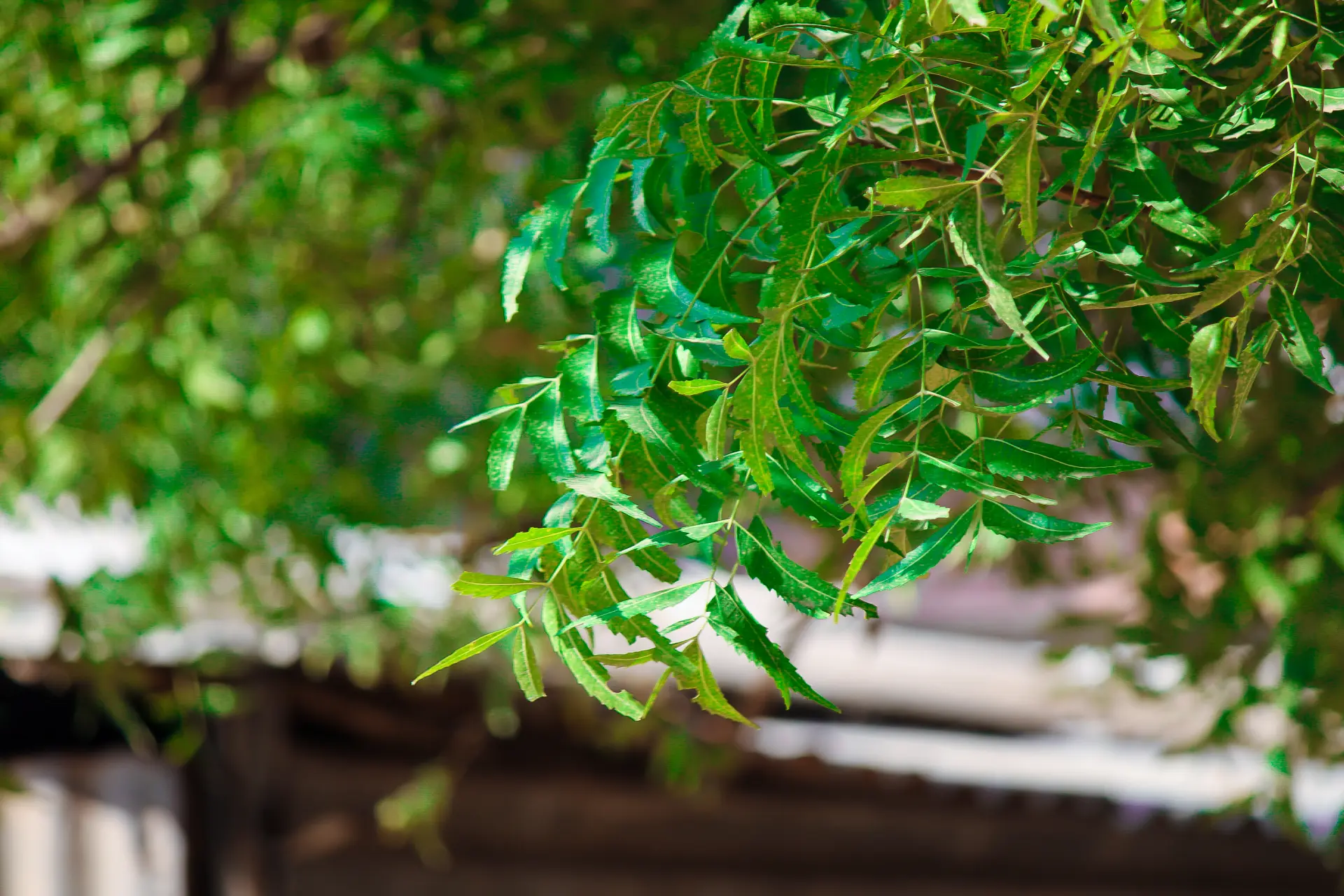
In integrated natural farming, trees provide shade, leaf biomass, fodder, wind protection, and microclimate regulation. Their roots improve soil structure and water infiltration. Fallen leaves become mulch. Some species support pollinators and beneficial insects.
Trees work slowly, but their impact compounds over years. They are essential for long-term resilience, especially under climate stress.
Water cycles improve naturally
Integrated systems handle water better.
Mulched soil absorbs rain instead of shedding it. Organic matter increases water holding capacity. Shade reduces evaporation. Root diversity improves infiltration.
This reduces irrigation demand and protects crops and animals during dry periods. Water efficiency emerges from system design, not technology.
Labor becomes predictable and manageable
One of the biggest benefits of integration is labor stability.
Instead of constant firefighting, work follows a rhythm. Crop cycles align with livestock routines. Waste handling becomes routine, not an extra task. Emergencies reduce.
When labor becomes predictable, decision making improves. Fatigue reduces. Farming becomes sustainable for families, not just land.
Integration reduces cost before it increases yield
Integrated natural farming does not promise immediate yield increase.
What it delivers first is cost reduction and stability. Purchased inputs fall. Veterinary expenses reduce. Soil improves. Water use becomes efficient.
Over time, yield often improves naturally as stress reduces across the system. But yield is treated as an outcome, not a target.
This is why integrated systems survive longer than fragmented ones.
Why integration is central to natural farming at Terragaon
At Terragaon Farms, integration is not an add-on. It is the foundation.
Crops, livestock, soil care, and zero-waste principles are designed together. Decisions are made by asking one question. How will this affect the whole system.
This approach allows the farm to remain productive without constant expansion, debt, or external dependency. The farm grows with nature, not against it.
Final thoughts
Integrated Natural Farming works because nature already functions as a system.
When farms imitate that logic, pressure reduces. Costs stabilize. Soil recovers. Plants strengthen. Animals remain healthier. People last longer.
On small land, integration is not optional. It is what makes natural farming viable in the real world.
At Terragaon, we do not aim to control nature. We aim to cooperate with it. When nature is allowed to work as one, farming becomes resilient, calm, and sustainable.