
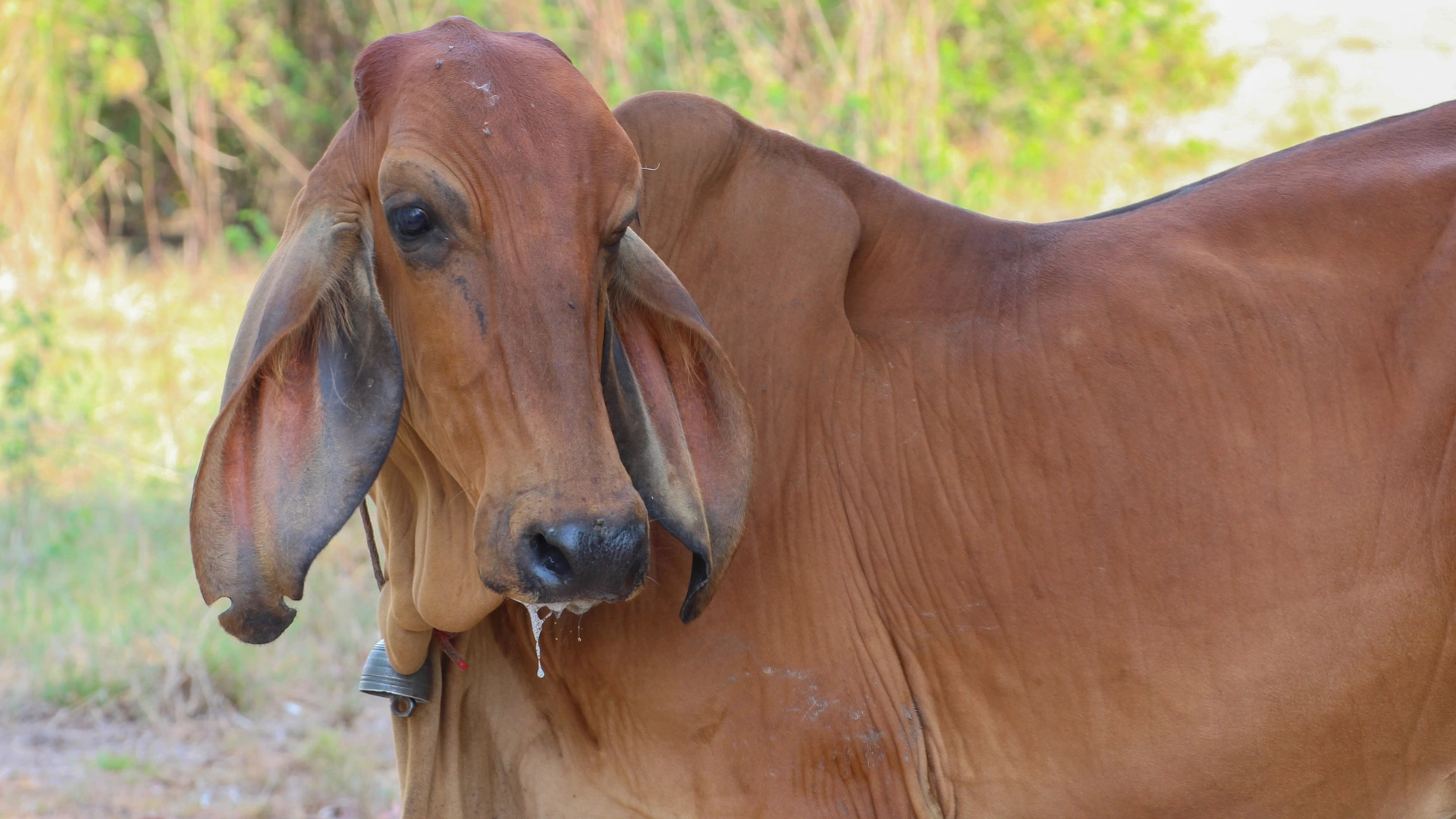
Many people approach dairy and livestock learning with excitement. Animals feel tangible. Milk feels productive. Results seem visible. What often comes later is the realization that livestock learning is slower, heavier with responsibility, and far less forgiving than crop learning.
At Terragaon Farms in Birbhum, West Bengal, we learned this the hard way. Livestock did not teach us through success alone. They taught us through consequences. Animals respond immediately to care, stress, routine, and mistakes. There is no buffer period and no pause button.
This pillar sets realistic expectations for learning dairy and livestock the ethical way, explains why animals are not teaching tools, and helps you assess ethical readiness before you begin.
In short:
Learning dairy and livestock ethically means accepting long learning cycles, daily responsibility, and irreversible consequences. Animals teach through care and consistency, not experimentation.
Why livestock learning is fundamentally different from crop learning
Crops allow delayed correction. Animals do not.
If a crop is stressed, the impact shows over days or weeks. If an animal is stressed, the impact shows immediately. Missed feeding, delayed cleaning, poor shelter, or rough handling has direct consequences on health and behavior.
This immediacy makes livestock learning intense. Mistakes cannot be undone easily. This is why livestock learning requires maturity more than enthusiasm.
Responsibility does not stop on bad days
Livestock learning demands consistency.
Animals need care every day, regardless of weather, personal mood, festivals, or fatigue. Illness does not wait for convenient timing. Births and emergencies often happen at night.
Many beginners underestimate this continuity. They imagine learning sessions. Livestock demands presence.
Ethical learning begins with accepting this responsibility before animals arrive.
Why animals are not teaching tools
This is a critical distinction.
Animals are living beings, not training material. Using animals as tools for learning by trial and error causes suffering and long-term damage.
Ethical livestock learning limits experimentation. Changes are gradual. Observation precedes action. Advice is sought early. Systems are stabilized before optimization.
At Terragaon, livestock learning progressed only after we prioritized animal comfort over output.
The slow pace of meaningful livestock learning
Livestock learning unfolds over years, not seasons.
Understanding feeding balance, behavior patterns, disease prevention, breeding decisions, and seasonal stress takes time. Short courses can introduce concepts. They cannot compress experience.
Those who accept slow learning develop confidence. Those who expect fast mastery often create stress for animals and themselves.
Ethical readiness begins before animals arrive
Ethical readiness includes practical preparation.
Adequate shelter. Reliable water. Local veterinary access. Fodder planning. Time availability. Financial buffer for emergencies. Emotional resilience when outcomes are uncertain.
If any of these are missing, learning becomes risky.
Readiness is not about passion. It is about capacity.
Learning livestock care without owning animals yet
You do not need to own animals to begin learning.
Observation on working farms. Assisting with routine care. Watching feeding and cleaning rhythms. Learning to read animal behavior. Understanding common health issues.
These experiences build sensitivity and judgement before responsibility begins.
Starting with observation protects animals and learners.
When livestock should enter a learning farm
Livestock should be added only when land and systems are ready.
Soil should support fodder growth. Labor routines should be stable. Waste handling systems should exist. Emergency support should be accessible.
Adding animals too early overwhelms the system. Waiting builds resilience.
Why ethics improves learning outcomes
Ethical care reduces stress.
Animals under low stress eat better, resist disease, and behave predictably. This stability improves learning clarity. Cause and effect become visible.
Unethical pressure produces confusing signals. Health issues multiply. Learning slows.
Ethics is not a moral add-on. It is a learning accelerator.
Common mistakes beginners make
Starting with too many animals. Copying feeding regimes without local adjustment. Treating illness reactively rather than preventively. Expecting income before stability.
These mistakes come from impatience, not ignorance.
Awareness prevents harm.
Final thoughts
Learning dairy and livestock the ethical way begins with restraint.
Animals teach best when they are cared for consistently, observed patiently, and protected from unnecessary experimentation. Learning is slow because it must be. Responsibility is heavy because lives are involved.
At Terragaon Farms, livestock taught us that farming is not about control. It is about stewardship. Those who accept this lesson early learn deeply. Those who rush often regret it.
Ethical readiness is the true starting point of livestock learning.

Krittika Das is a field practitioner and primary author at Terragaon Farms in Birbhum, West Bengal. Her writing is grounded in daily farm work, long-term soil observation, and small-land realities of eastern India. She focuses on natural farming, soil ecology, ethical dairy, and low-input systems, translating field experience into clear, practical knowledge for farmers and conscious food consumers.