Indigenous cows evolved on local pastures and require a different approach than high-input breeds. At Terragaon Farms in Birbhum and on similar small farms in Eastern India, we have designed feeding plans around the natural cycles of our land and the strengths of native cows. This strategy prioritises local forage, seasonal fodder planning, and simple practices proven reliable on small farms. The goal is to keep cows healthy and productive with minimal purchased feed and maximum use of homegrown resources and farm wisdom.
In Eastern India, farmers feed indigenous cows with a year-round rotation of local fodder — Napier grass, crop haulms, kitchen by-products, and tree leaves — tailored by season and cow stage. This low-cost system supports health and milk without commercial feed.
Golden Rules of Natural Feeding
- Local first: Feed grasses, crops and by-products grown on the farm before using commercial concentrates. Indigenous cows thrive on familiar local feed.
- Daily green fodder: Always offer some fresh green fodder every day, even in dry seasons. At least a portion of the diet should be green material for rumen health.
- Mix it up: Provide a variety of feeds – grasses, legumes, crop residues, tree leaves – instead of one single type. This keeps nutrition balanced and prevents boredom.
- Roughage before grains: Always feed bulky roughage like grass or straw before giving any grain or concentrate. Roughage (fiber) should be the basis of the ration, with energy- or protein-rich supplements given afterwards.
- Regular water: Fresh clean water must be freely available at all times. Water improves digestion and milk yield; many feed-related issues come from cows missing enough water.
- Gentle routines: Feed at the same times each day and handle cows calmly. Rhythms help cows eat better and avoid stress. A quiet, respectful milking and feeding routine keeps cows comfortable and healthy.
- Clean feeding: Keep feed and water troughs clean and sheltered. Remove spoiled or soiled fodder promptly. Good hygiene prevents illness and makes feed more attractive.
- Observe dung: Watch dung consistency daily. Hard or loose dung is an early signal of feeding imbalance. Adjust the diet slowly if changes occur.
- Adapt to seasons: Change the fodder mix with the seasons (see below). Plan ahead so supplies of each type of fodder last through the year.
- Avoid overfeeding concentrates: Indigenous cows need far less grain than high-yield breeds. Too much concentrate can cause heat stress and loose dung. Keep concentrate and oilcake small and mixed with fibrous feed.
Seasonal Feeding Plan
A year-round feeding plan helps match fodder supply to demand. In Eastern India the seasons shape our feeding strategy:
- Summer (March – May): This is the leanest time. We rely on saved fodder and by-products. Rations have more dry straw, sorghum stalks or maize stover. Kitchen greens and tree leaves (like mango or jackfruit leaves) are important supplements. Even small amounts of oilseed cake (mustard cake or groundnut cake) can help under low-green conditions. Shade and water are critical so cows eat well despite the heat.
- Monsoon (June – September): Green fodder is abundant. We plant and harvest fast-growing grasses and maize before monsoon, then again as rain allows. Napier grass, sorghum (jowar), maize, and cowpea thrive in the rains. Fresh grasses (guinea grass) and legume forages (sunn hemp, berseem) are cut regularly. This is when our cows get most of their diet from lush green forage. We take care to avoid overcrowding the animals when grazing or feeding rich fodder in wet weather.
- Winter (October – February): Plenty of crop residues and some winter-sown forages are available. After paddy harvest in autumn, paddy straw is the main feed. We also grow winter fodders like oats or berseem clover if possible, and use stalks of finger millet (ragi) or groundnut haulms. Winter legumes (lentils, gram) add green leaves and pods. The cool, dry weather lets cows eat more; we give dry fodder mixed with any greens or oilcake to help them regain strength before the next summer.
Green Fodder Crops and Grasses
Farm-grown green fodder is the foundation of this strategy. Common crops include:
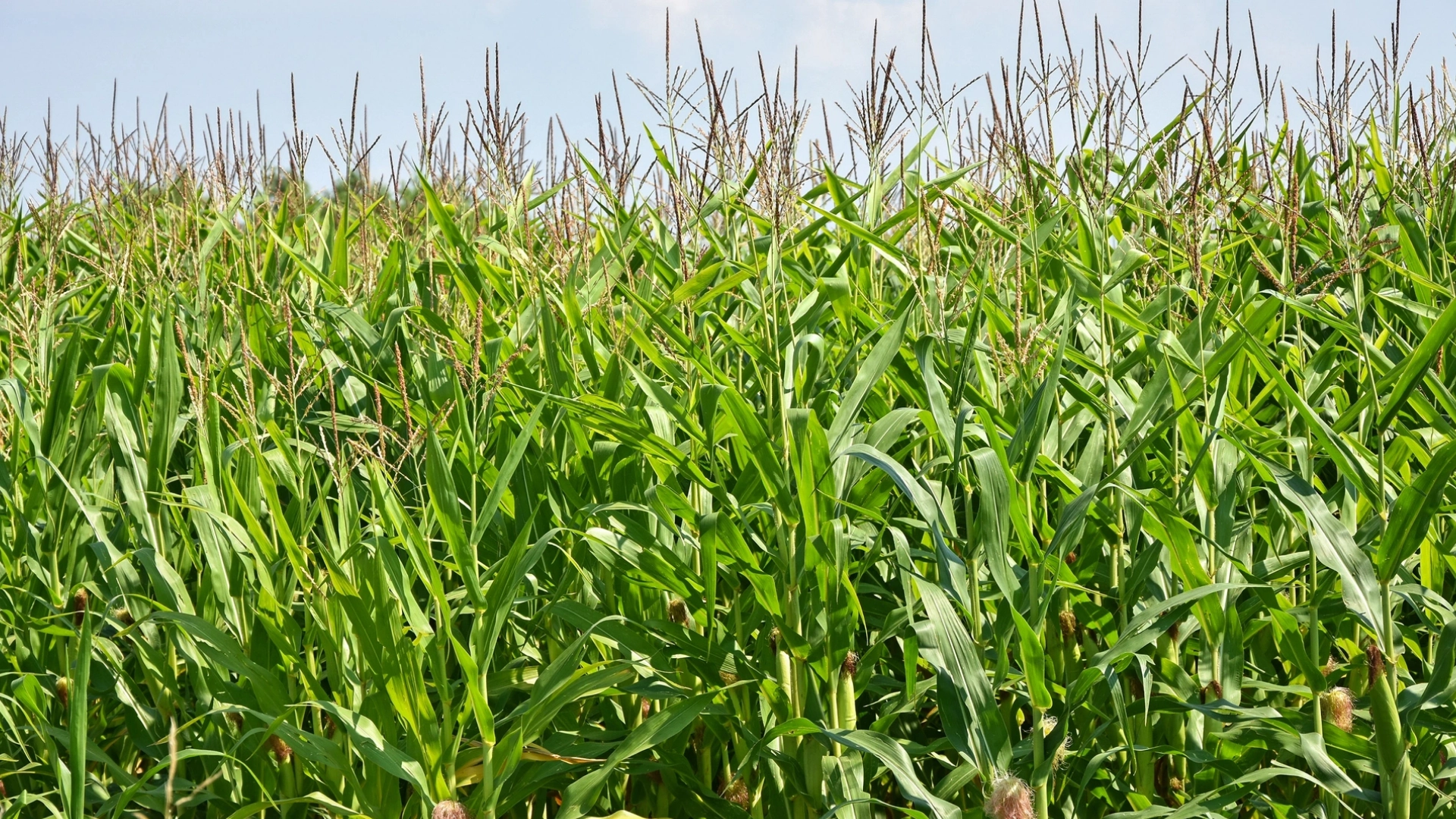
- Maize: Grown in monsoon or autumn. We cut the whole plants as green fodder (including stalks and leaves) at 60–75 days. Maize plants yield fresh fodder and, later, dry stover.
- Millets and Sorghum: Pearl millet (bajra) and sorghum (jowar) grow well in rain and on poor soil. We cut them young and green. Their stalks and grain heads both feed the cows. After the grain matures, we still harvest the stalks as dry fodder.
- Napier/Elephant Grass: A perennial grass planted in the rainy season. It can be cut multiple times a year, giving very high yields. We grow Napier along field boundaries or dedicated plots. It provides heavy green cuts in summer and monsoon.
- Legume Fodders: We sometimes grow cowpea, sunn hemp or forage soybean during or after the monsoon. These add extra protein. The young vines, leaves and pods of these legumes are very palatable.
- Berseem (Egyptian clover) and Oats: These winter forages give 3–5 cuts of high-protein feed in cooler months. Even a small stand of berseem or oats means valuable greens in winter.
- Mulberry (Moran): If available, mulberry leaves are fed especially to calves and milking cows. They are rich and very leafy, improving intake and milk.
Dry Fodder, Crop Residues and By-Products
Dry materials and leftovers make up much of the diet, especially in lean times:
- Paddy Straw: After rice harvest we use paddy straw. It is low in nutrients but filling. We keep it clean and store it dry. Soaking straw or treating it with small amounts of urea (when available) improves its value. Cows will eat a lot of straw, but to sustain milk we mix straw with greens or oilseed cakes.
- Wheat/Barley Straw: In places where wheat or barley are grown, those straws serve like paddy straw. We use them in winter and late summer. Often we chop or crush long straw to make it easier to eat.
- Oilseed Cakes: Mustard oil cake is common in eastern India. We feed a few handfuls mixed into the fodder after milking or during evening feed to boost protein. Groundnut or sesame cake, if available, are used similarly but in smaller amounts. We cut cakes into pieces or mix them with chaff so cows consume them well.
- Bran and Crushed Grains: Rice bran, wheat bran or crushed maize/wheat grain are given in tiny portions. A small handful mixed into greens gives energy. We introduce these concentrates gradually to avoid rumen upset.
- Vegetable and Fruit Waste: Cattle enjoy market or kitchen waste like vegetable peels or fruit waste. For example, feeding watermelon rinds, old pumpkins, or bitter gourd tops adds variety. We ensure all such wastes are clean (no rot or dirt). These by-products add moisture and nutrients at low cost.
- Other Residues: Sugarcane tops (after juice extraction) and fruit stalks are sometimes available locally. We feed them when green (e.g. freshly cut banana stalks). They provide bulk and roughage.
Fodder Trees and Shrubs
Trees and shrubs are a natural protein supplement when cut fresh:
- Gliricidia (Madre de Cacao): We grow it along field borders. Its young leaves and soft twigs are very good cattle feed. Pruning 2–3 times a year provides high-protein fodder. Cows eat Gliricidia well when mixed with grasses.
- Leucaena (Subabul): The shoots of leucaena trees are fed in moderation. They have a high protein content but also mimosine (a mild toxin) if given too much. We feed small amounts (usually less than 20% of daily fodder) and have no health issues.
- Sesbania (Shevri): The green pods and foliage of sesbania are excellent fodder. We plant sesbania on field bunds or as a quick crop in the rains. It grows fast and the fresh leaves are eagerly eaten.
- Banana Pseudostems: Each banana plant provides a thick fibrous stem after harvest. We chop these pseudostems (with a machete) and offer them as a wet, fibrous feed especially in summer. Cows eat the soft core and leaves readily.
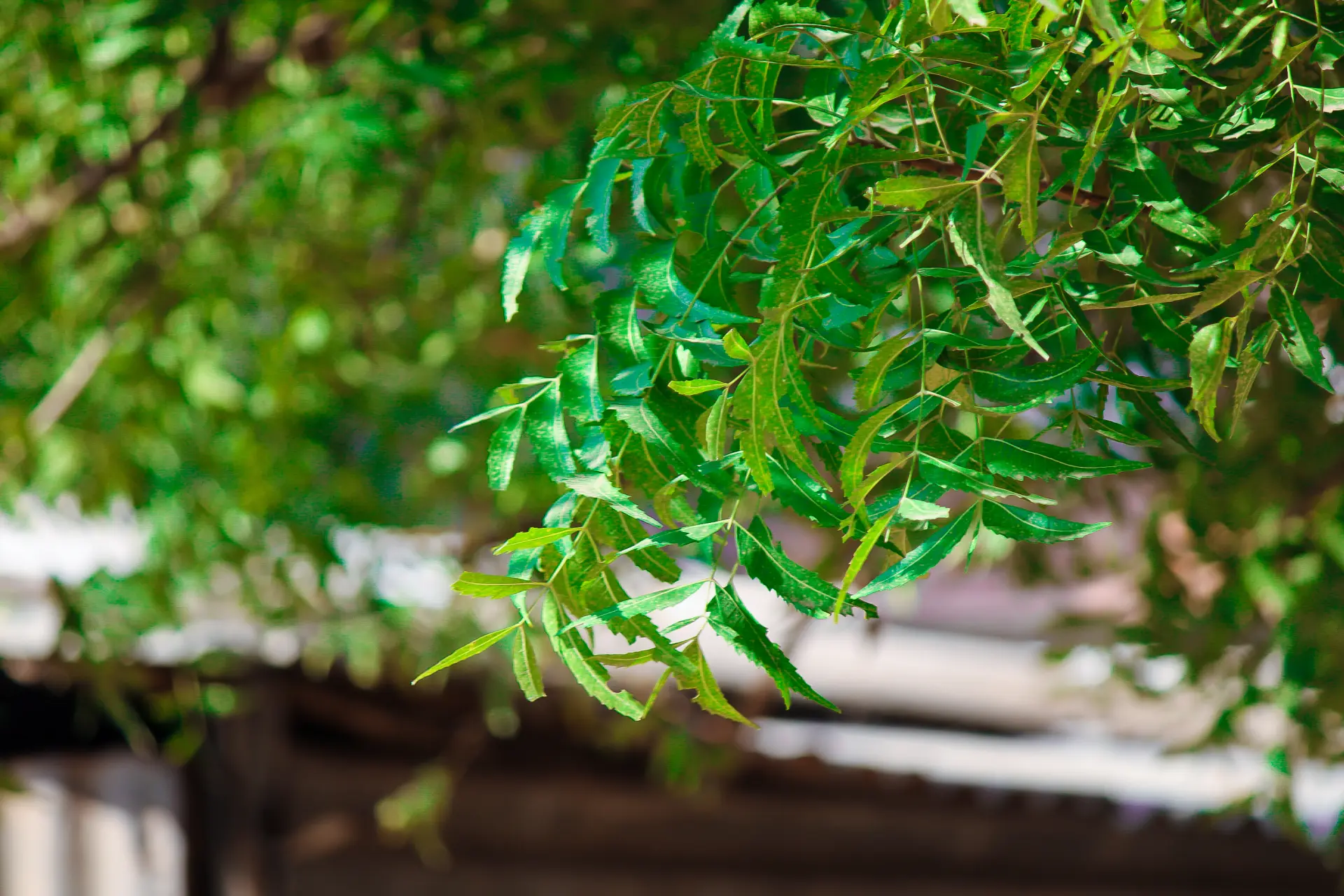
- Fruit Trees (Mango/Jackfruit/Guava): Pruned branches and leaves from these orchard trees can be fed. We only offer tender new shoots and leaves, which cattle enjoy in moderation. We avoid old wood or leaves with too many seeds.
- Lantana and Other Weeds: Surprisingly, cows will eat pruned lantana (an invasive shrub) when it’s chopped and mixed with other fodder. We only use it in small amounts. Likewise, local vines or weeds (made safe) can provide extra feed during shortages.
- Ficus (Peepal/Banyan): In true emergency, cows have been known to nibble soft bark or shoots from large banyan or peepal trees. This is rare and not needed if other fodder is planned well, but it shows how persistent cows can be.
Practical Insights and Observations
We base this feeding strategy on years of hands-on experience in Birbhum and similar farms:
- Indigenous cows eat frequently and in small amounts. We offer feed in multiple batches (morning, midday, evening) rather than one large feeding. This mimics grazing and keeps the rumen stable.
- We found that too much feed in one trough can reduce intake – clean, smaller feedings throughout the day work better. Scattering a few handfuls of straw on the ground also encourages natural grazing behavior.
- Heat and humidity strongly affect appetite. In hot afternoons, cows eat less. We learned to give the bulk of concentrate or oilcake early morning or evening when it is cooler.
- Feeding routines matter. Cows become accustomed to feeding times. Regular schedules help them eat consistently and maintain digestive health.
- Observation is key. If we see a drop in dung quality, we adjust the mix quickly. For example, if cows have loose dung, we temporarily increase dry fiber (more straw) and reduce rich greens for a day or two. If dung is hard or cows seem constipated, we add more greens or soaked straw.
- Adjust for individual needs. A milking cow gets extra concentrate or cake compared to a dry cow or calf. Pregnant cows in late gestation get more nutritious feed. Calves get easier-to-digest portions (like moistened chaff or grains). Tailoring each ration by age and stage helps everyone thrive.
- Prevent waste: Cows often avoid spoiled or dusty fodder. We store straw off the ground under shade, and cover hay stacks with tarpaulins during rain. When chopping fodder, we leave gritty or thorny parts (like sesame pods or very coarse stalks) out, using them as farm mulch instead.
- Variety encourages eating. Even small additions make a difference. On our farm, mixing a handful of maize bran into green fodder has been enough to boost appetite in lean months.
- Embrace local knowledge: We watch and learn from neighboring farmers. Their tips – like which tree pod to feed in drought or a home-made fodder mix – often match what our cows need. Combining that traditional wisdom with our own observations strengthens the system.
Final Thoughts
Feeding native cows naturally is not a rigid formula but an adaptive process. The approach above worked for us in Eastern India, but every farm and cow is unique. The key is to plan ahead by season, use what the farm produces, and keep observing the animals. When cows thrive on local feeds, the entire farm benefits – soil health improves, input costs stay low, and the system becomes more resilient. Terragaon Farms’ experience shows that patient attention to feeding can build a healthier herd and a stronger farm over time.

Krittika Das is a field practitioner and primary author at Terragaon Farms in Birbhum, West Bengal. Her writing is grounded in daily farm work, long-term soil observation, and small-land realities of eastern India. She focuses on natural farming, soil ecology, ethical dairy, and low-input systems, translating field experience into clear, practical knowledge for farmers and conscious food consumers.