Heat stress is one of the biggest hidden productivity killers in Indian dairy systems. Cows begin to experience heat stress when body heat production exceeds their ability to dissipate it, often at temperatures above 27–28°C when humidity is high. In Indian summers, especially in eastern and central regions, unmanaged heat stress reduces feed intake, fertility, immunity, and milk yield long before visible illness appears. Effective heat stress management focuses on shade, airflow, water availability, feeding timing, and breed suitability rather than medicines or supplements.
Why Heat Stress Is a Serious Problem in India
Indian summers combine three stressors at once. High ambient temperature, high humidity, and radiant heat from soil and roofing materials create continuous thermal load on animals.
Unlike cold stress, heat stress does not cause immediate collapse. It causes gradual metabolic suppression. Cows eat less, ruminate less, stand longer, and divert energy from milk production and reproduction to survival.
By the time milk yield drops sharply, damage has already occurred.
The Science Behind Heat Stress in Cows
Cows generate large amounts of metabolic heat during digestion and milk synthesis. They rely on sweating, respiration, and blood flow to the skin to release this heat.
When temperature-humidity index crosses the comfort threshold, evaporative cooling fails. Respiration rate increases, saliva loss increases, rumen pH drops, and feed efficiency declines.
This leads to three cascading effects. Reduced dry matter intake, suppressed immune response, and hormonal disruption affecting fertility.
Heat stress is not a surface issue. It is a systemic metabolic crisis.
Why Indigenous Cows Handle Heat Better
Indigenous Indian cows evolved under heat stress conditions.
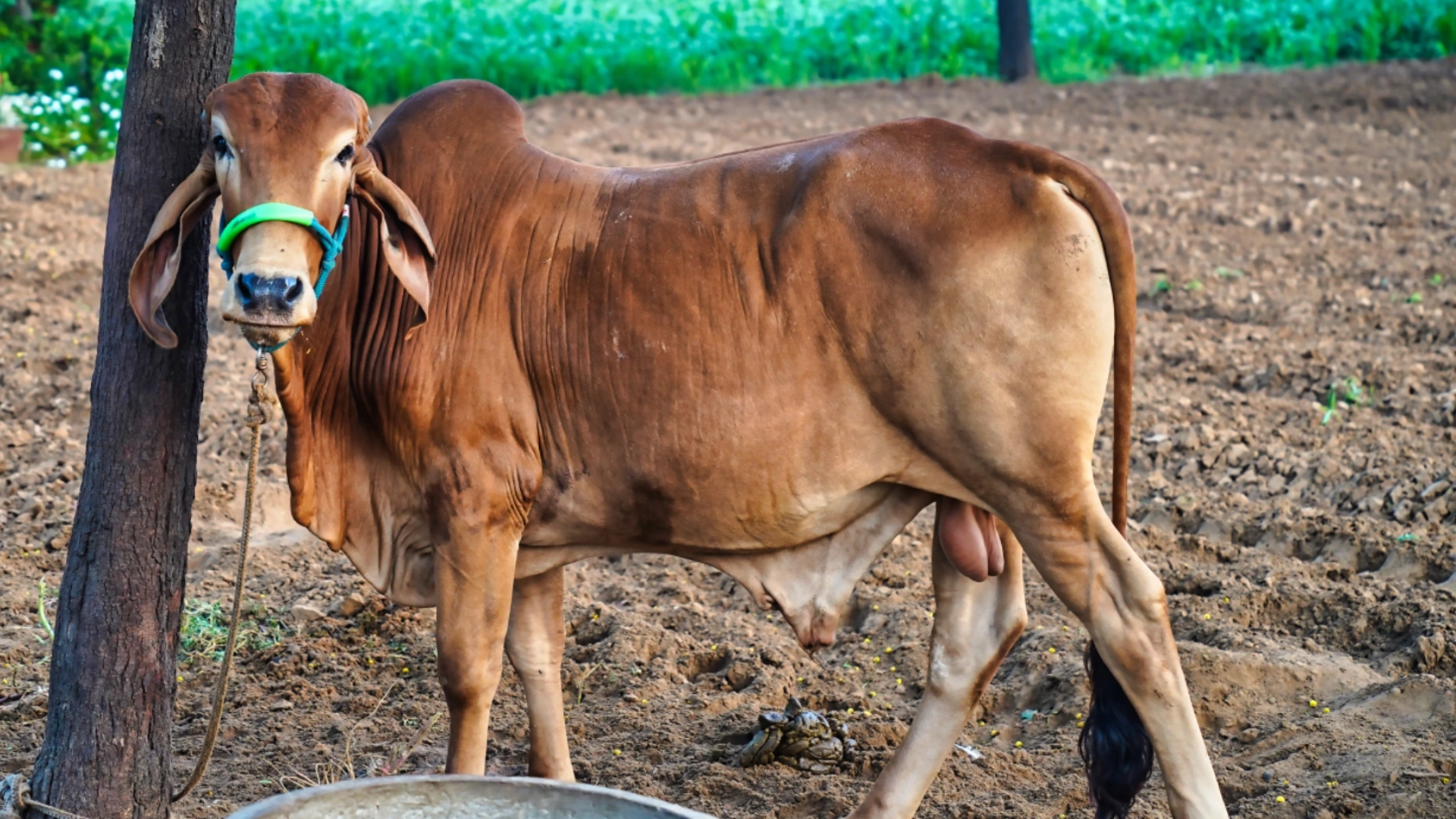
They have loose skin, efficient sweat glands, lighter body mass, and better peripheral blood circulation. Their metabolic rate is lower, producing less internal heat for the same level of activity.
At Terragaon Farms in Birbhum, indigenous cows maintained feed intake and body condition through 40–42°C summers, while crossbred cows showed visible stress and milk instability under the same management.
Heat tolerance is genetic insurance.
Early Signs of Heat Stress Farmers Miss
Heat stress is often recognised too late. Early indicators include increased standing time, reduced cud chewing, excessive panting, drooling, and preference for shade over feed.
Milk yield reduction appears later. Fertility disruption appears even later.
By the time milk drops, recovery becomes slow and incomplete.
Practical Heat Stress Management on Small Farms
Shade Is Non-Negotiable
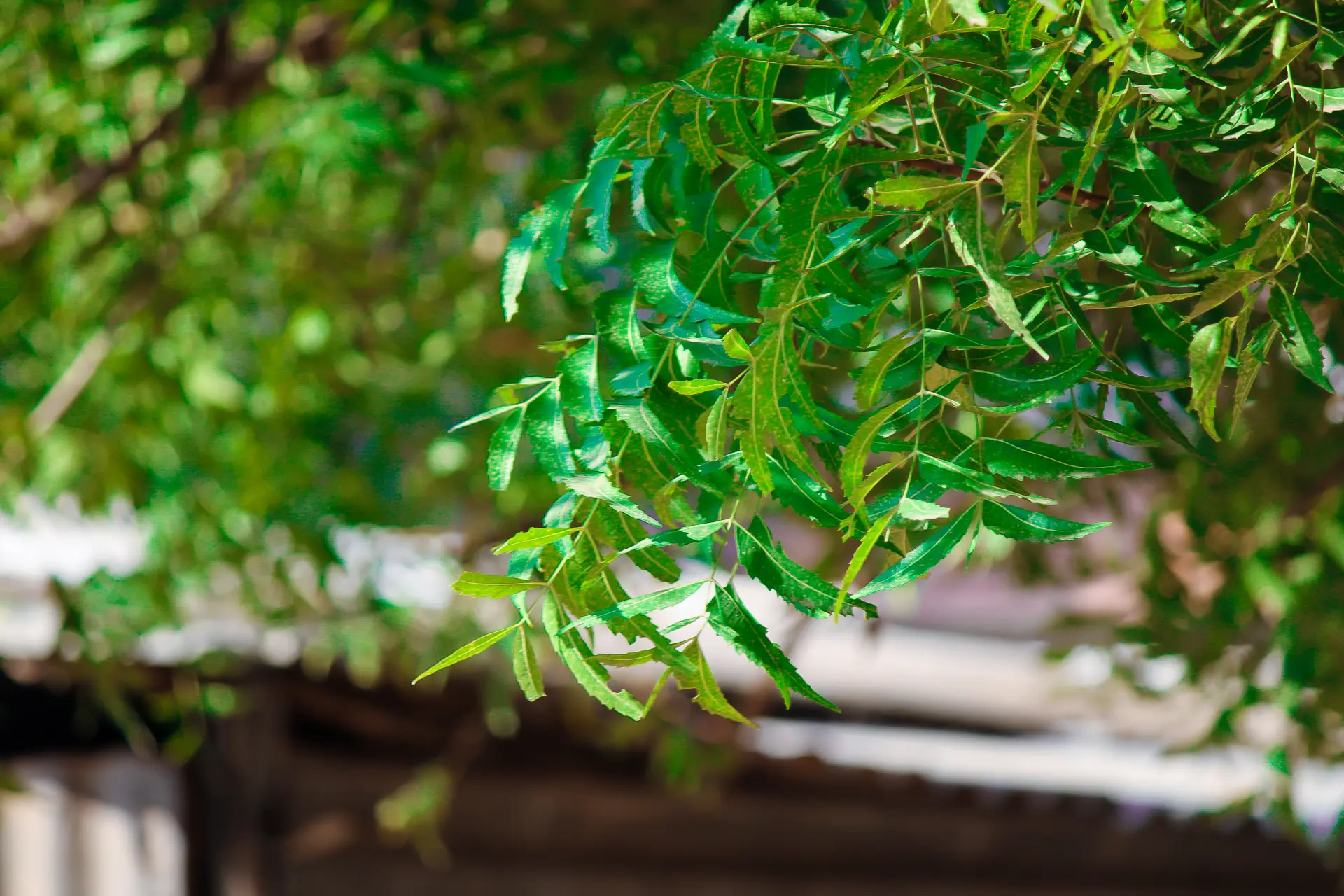
Cows must have access to shade throughout the day. Tree shade is ideal. Thatched or tiled roofs outperform tin or asbestos sheets, which radiate heat downward.
Concrete floors exposed to direct sun store heat and burn hooves. Earthen or shaded resting areas reduce thermal load significantly.
Shade reduces heat stress more effectively than any supplement.
Airflow Matters More Than Fans
Natural cross-ventilation is often more effective than electric fans on small farms. Open sides, raised roofing, and correct shed orientation allow hot air to escape.
Fans without airflow planning often circulate hot air without cooling the animal.
Moving air removes heat. Stagnant air traps it.
Water Access and Timing
Heat-stressed cows increase water intake by 30–50 percent. Water must be clean, cool, and available at all times.
Restricting water, even briefly, amplifies stress and reduces feed intake.
Water availability is a cooling strategy, not just hydration.
Feeding Timing and Diet Adjustment
Feeding should shift to early morning and late evening when temperatures are lower. Roughage with high fibre generates more heat during digestion, so quality and timing matter.
At Terragaon Farms, adjusting feeding schedules improved intake without changing feed quantity.
When cows eat comfortably, they cope better.
Avoid Forced Production During Peak Heat
Pushing milk yield during peak summer through concentrates or supplements increases metabolic heat production and worsens stress.
Summer is a survival season, not a production season.
Stability is more valuable than peak output.
Common Heat Stress Mistakes Small Farmers Make
Many farmers rely on medicines, mineral mixtures, or electrolyte powders while ignoring shade and airflow.
Others underestimate humidity, focusing only on temperature.
Some continue normal feeding and milking schedules despite visible stress.
Heat stress cannot be cured with additives. It must be managed structurally.
Field Observations From Terragaon Farms
Location: Birbhum district, West Bengal
Observation period: Summers of 2022–2025
Indigenous cows provided with tree shade, open housing, unrestricted water, and adjusted feeding times maintained stable body condition and milk flow. Crossbred cows in enclosed sheds with tin roofing showed persistent stress despite supplementation.
The difference was not medicine. It was environment.
Long-Term Benefits of Proper Heat Stress Management
Consistent heat stress management improves fertility recovery, reduces disease incidence, stabilises milk yield across seasons, and lowers veterinary costs.
It also improves animal behaviour and reduces labour stress.
Comfort compounds over time.
Final Position of Terragaon Farms
Heat stress management is not optional in Indian dairy systems. It is foundational.
Small farms should prioritise shade, airflow, water, feeding timing, and breed suitability over chemical or nutritional interventions. Indigenous cows offer a natural advantage, but management determines outcomes.
Heat stress is not an emergency problem.
It is a daily design problem.
Frequently Asked Questions (FAQs)
What temperature causes heat stress in cows
Heat stress can begin when temperatures exceed 27–28°C, especially when humidity is high.
How does heat stress affect milk production
Heat stress reduces feed intake, disrupts metabolism, and diverts energy from milk synthesis, causing gradual yield decline.
Are indigenous cows better for Indian summers
Yes. Indigenous cows are genetically adapted to heat and tolerate Indian summers better than crossbred cows.
Can supplements prevent heat stress
Supplements may support recovery but cannot prevent heat stress without shade, airflow, and water management.
What is the best way to reduce heat stress on small farms
Providing shade, improving ventilation, ensuring constant water access, and adjusting feeding times are the most effective measures.

Krittika Das is a field practitioner and primary author at Terragaon Farms in Birbhum, West Bengal. Her writing is grounded in daily farm work, long-term soil observation, and small-land realities of eastern India. She focuses on natural farming, soil ecology, ethical dairy, and low-input systems, translating field experience into clear, practical knowledge for farmers and conscious food consumers.