
Krittika Das
Krittika Das is a field practitioner and primary author at Terragaon Farms in Birbhum, West Bengal. Her writing is grounded in daily farm work, long-term soil observation, and small-land realities of eastern India. She focuses on natural farming, soil ecology, ethical dairy, and low-input systems, translating field experience into clear, practical knowledge for farmers and conscious food consumers.
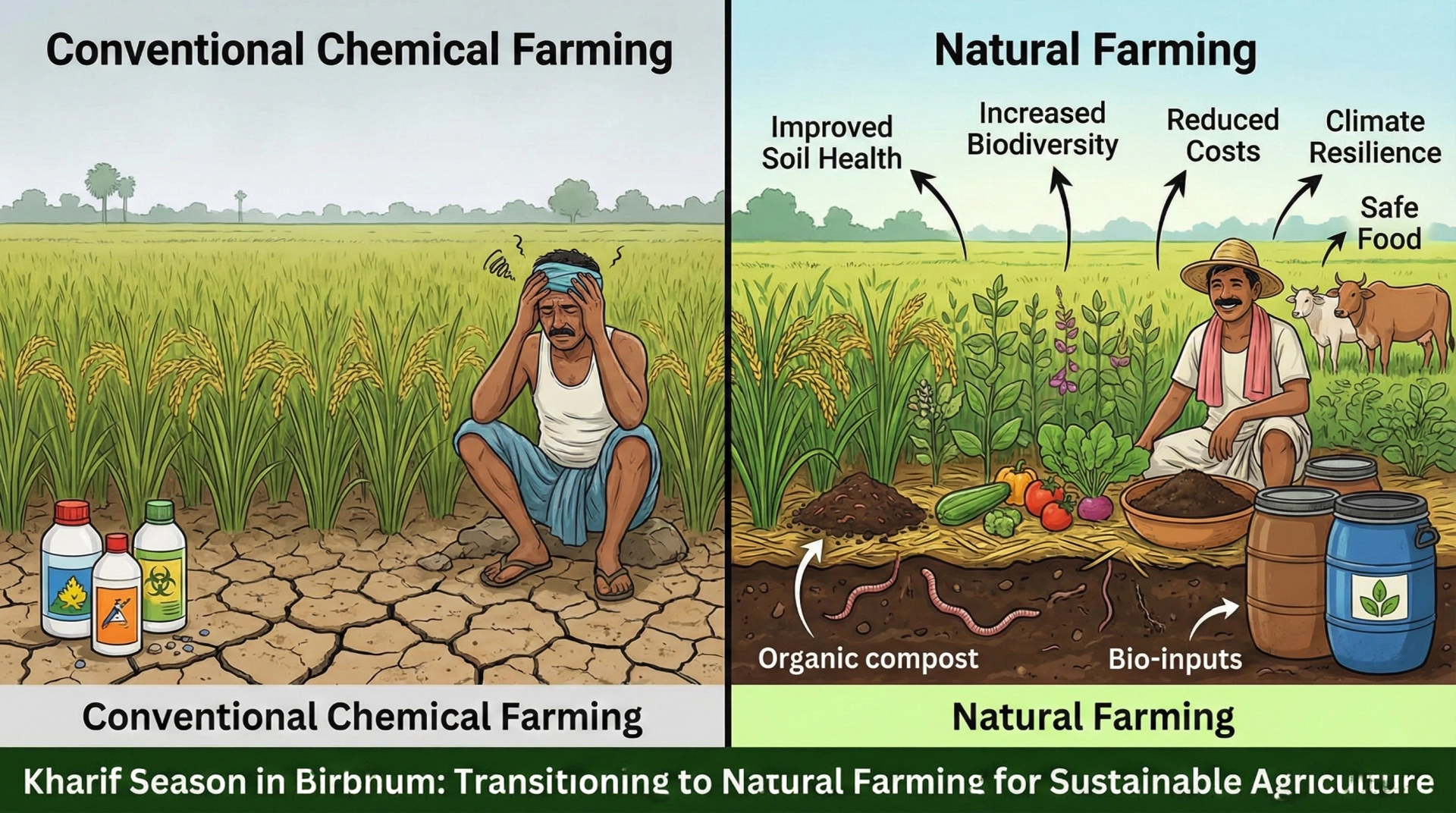
How Kharif Farming Actually Works in Birbhum
In Birbhum’s lateritic belt, Kharif planning in natural farming is not about crop choice. It is about monsoon risk control. The success of a Kharif season here depends on three non-negotiable conditions being met before sowing begins: soil must already be biologically active, rainfall must be continuous rather than episodic, and crops must be selected
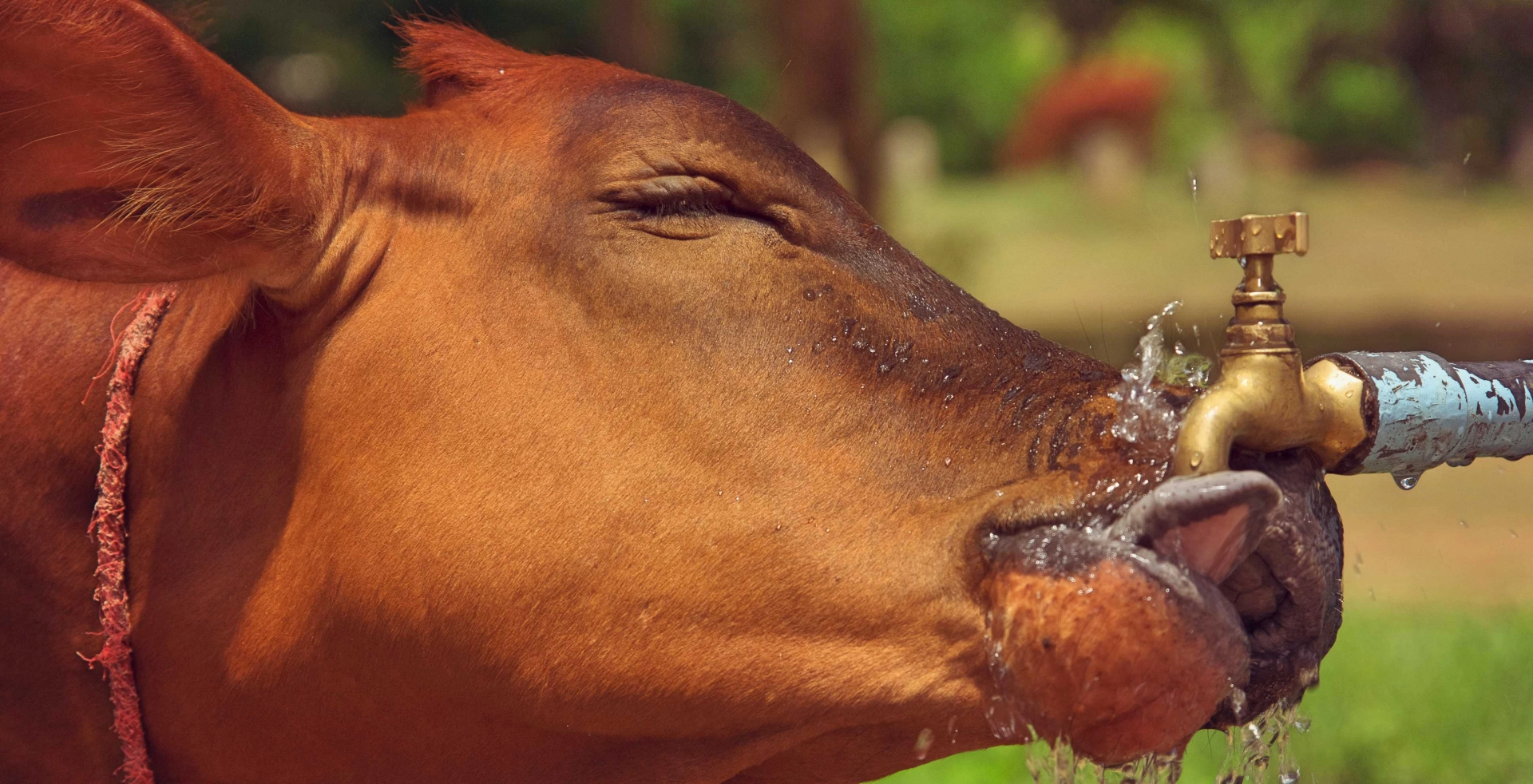
Why Dairy Cows Overheat Even With Fans
In the 45°C pre-monsoon heat of Birbhum, a dairy cow is not primarily stressed by sunlight. She is stressed by her own rumen. The rumen is a fermentation chamber that produces large amounts of metabolic heat. When feeding, housing, and cooling are poorly timed, this internal heat stacks on top of environmental heat and pushes
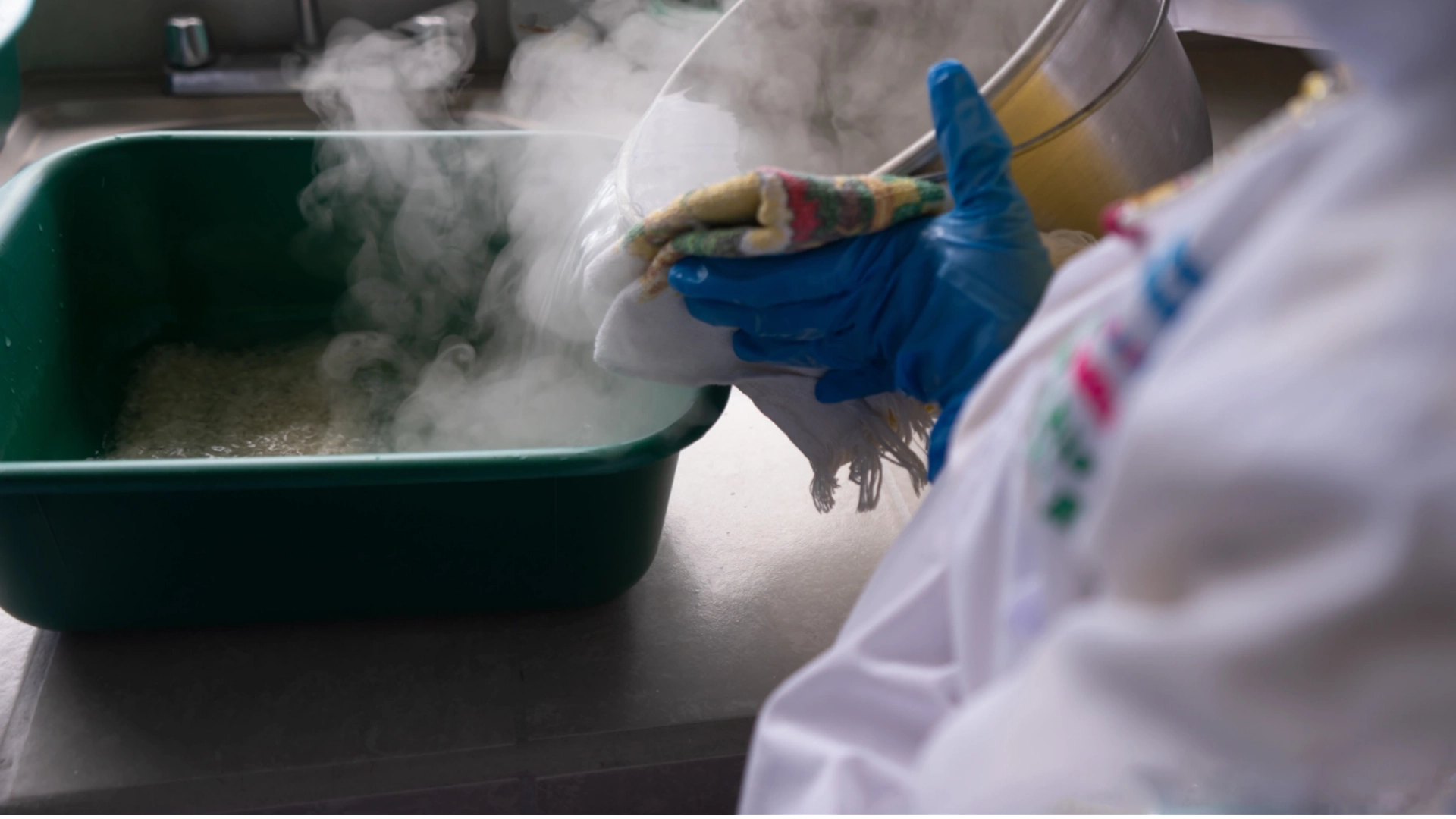
Grow Your Own Trichoderma Using Rice
Trichoderma can be multiplied safely at home using cooked rice, but only under strict moisture, temperature, and hygiene discipline. This method does not produce laboratory-grade or strain-pure cultures. It produces a field-effective fungal inoculum suitable for soil disease suppression, compost activation, Banana Circles, and spice beds. At Terragaon Farms in Birbhum, this method has consistently
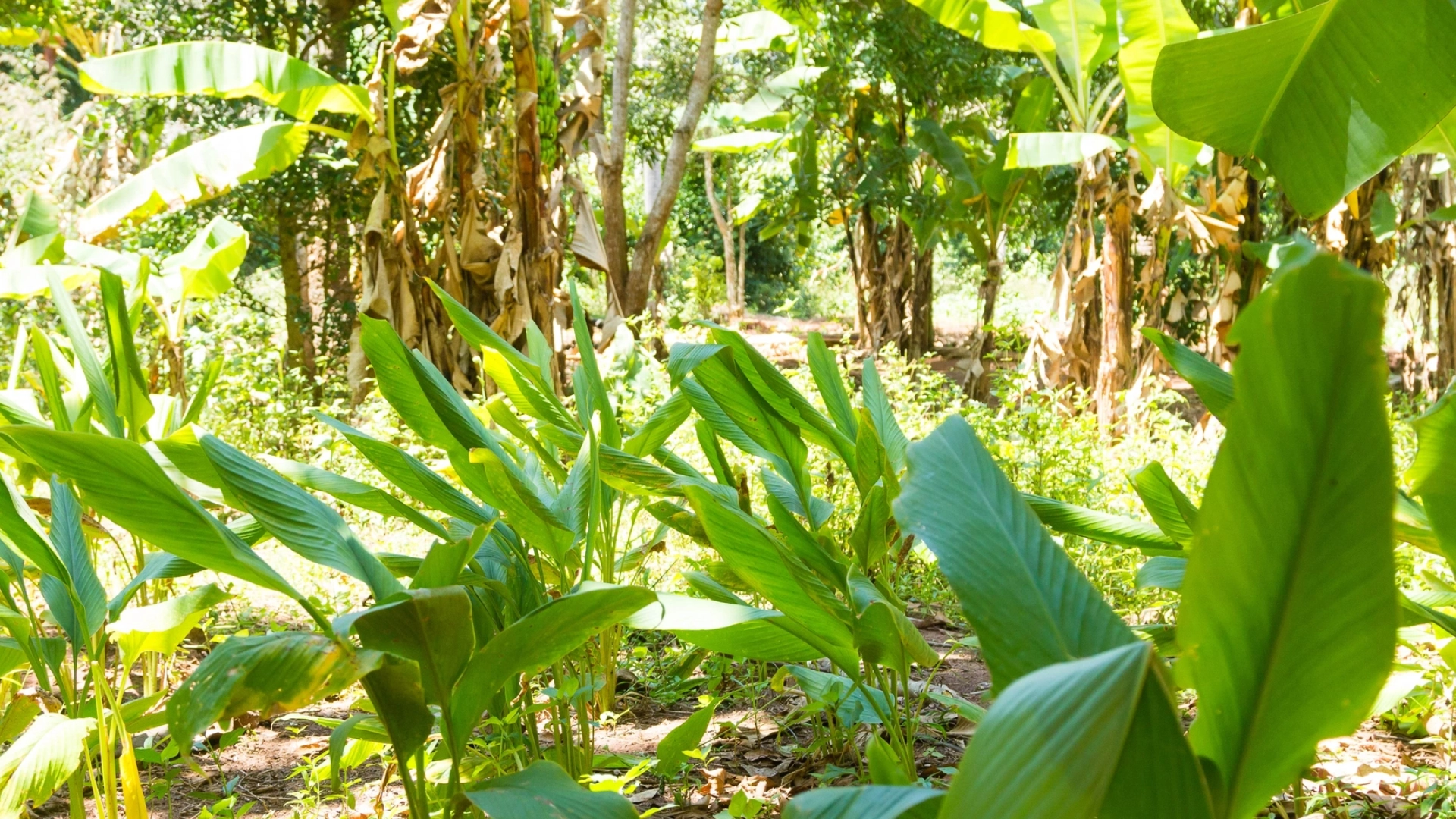
The Hidden Spices Growing Under Banana Trees
The shaded zone beneath a mature Banana Circle is not wasted space. In Birbhum’s lateritic climate, it is the most thermally stable and biologically productive micro-site on the farm. When open soil temperatures exceed 55–60°C in May, soil beneath the banana canopy consistently remains between 26–30°C. This temperature window allows high-value rhizomes such as turmeric,
How Kitchen Waste Becomes Food on Small Indian Farms
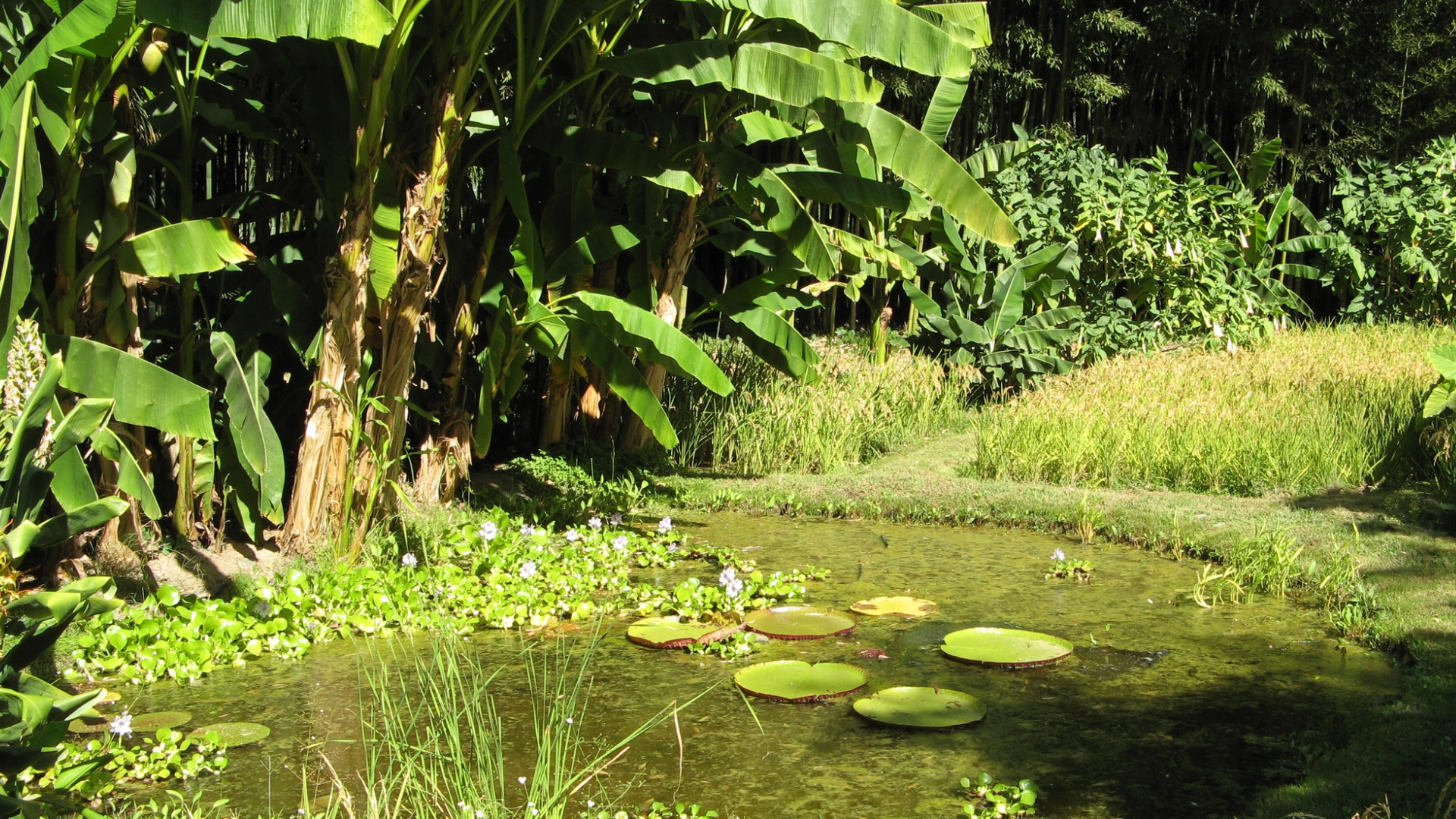
A Banana Circle is not a planting trick. It is a passive biological water-treatment and nutrient-recovery system designed for small farms in West Bengal. It safely absorbs household greywater and kitchen waste without electricity, without chemicals, and without contaminating groundwater, while converting that waste stream into food and micro-climate control. At Terragaon Farms in Birbhum,
Why Zero Waste Farming Is About Money Not Ideology
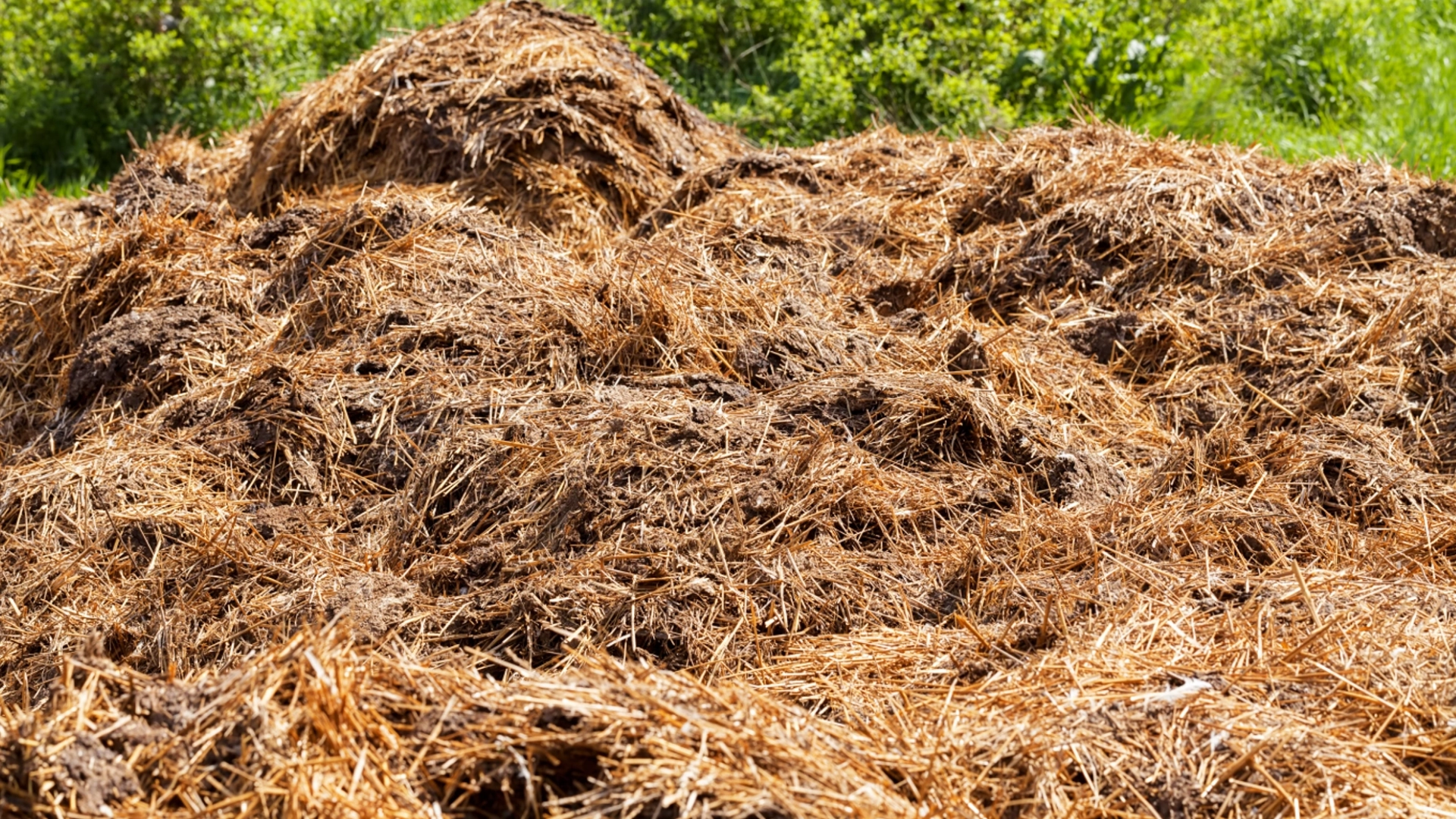
At Terragaon Farms in Birbhum, zero waste farming is not an environmental slogan. It is an economic survival model. It does not mean producing no garbage. It means designing a farm system where the idea of waste no longer exists because every byproduct is structurally reused inside the farm boundary. Zero waste farming replaces the
Why Watering Alone Cannot Save Crops in Birbhum’s Laterite
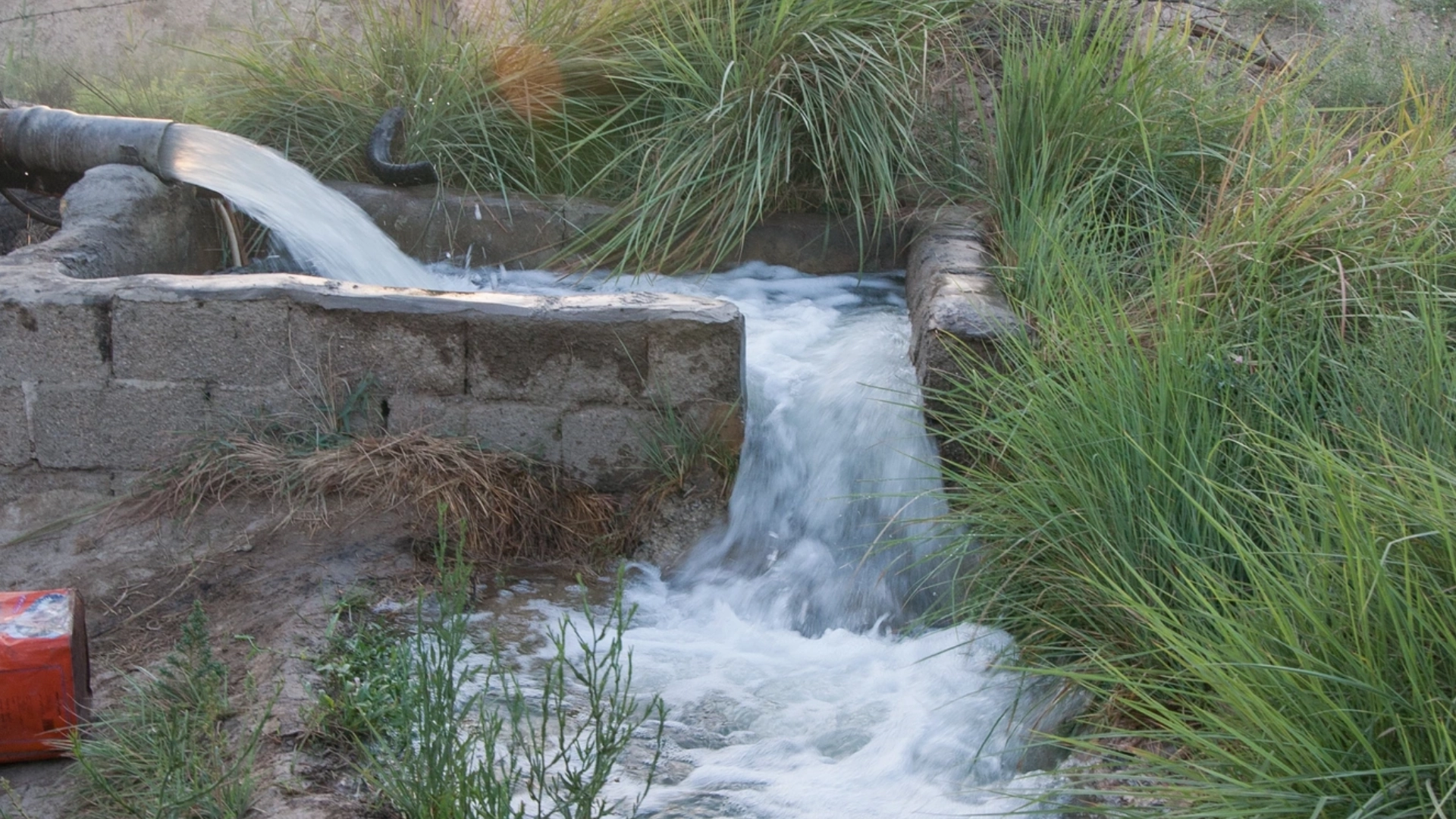
In the hyper-thermic lateritic zones of Birbhum, surface watering is mathematically incapable of maintaining soil moisture. When ambient air temperatures reach 45°C, surface evaporation rates exceed infiltration rates. Water poured onto bare laterite soil does not hydrate it. It seals it by crust formation. At Terragaon Farms, we found that moisture retention depends not on
How We Prevent Hardpan Re-Sealing in Birbhum’s Lateritic Soils
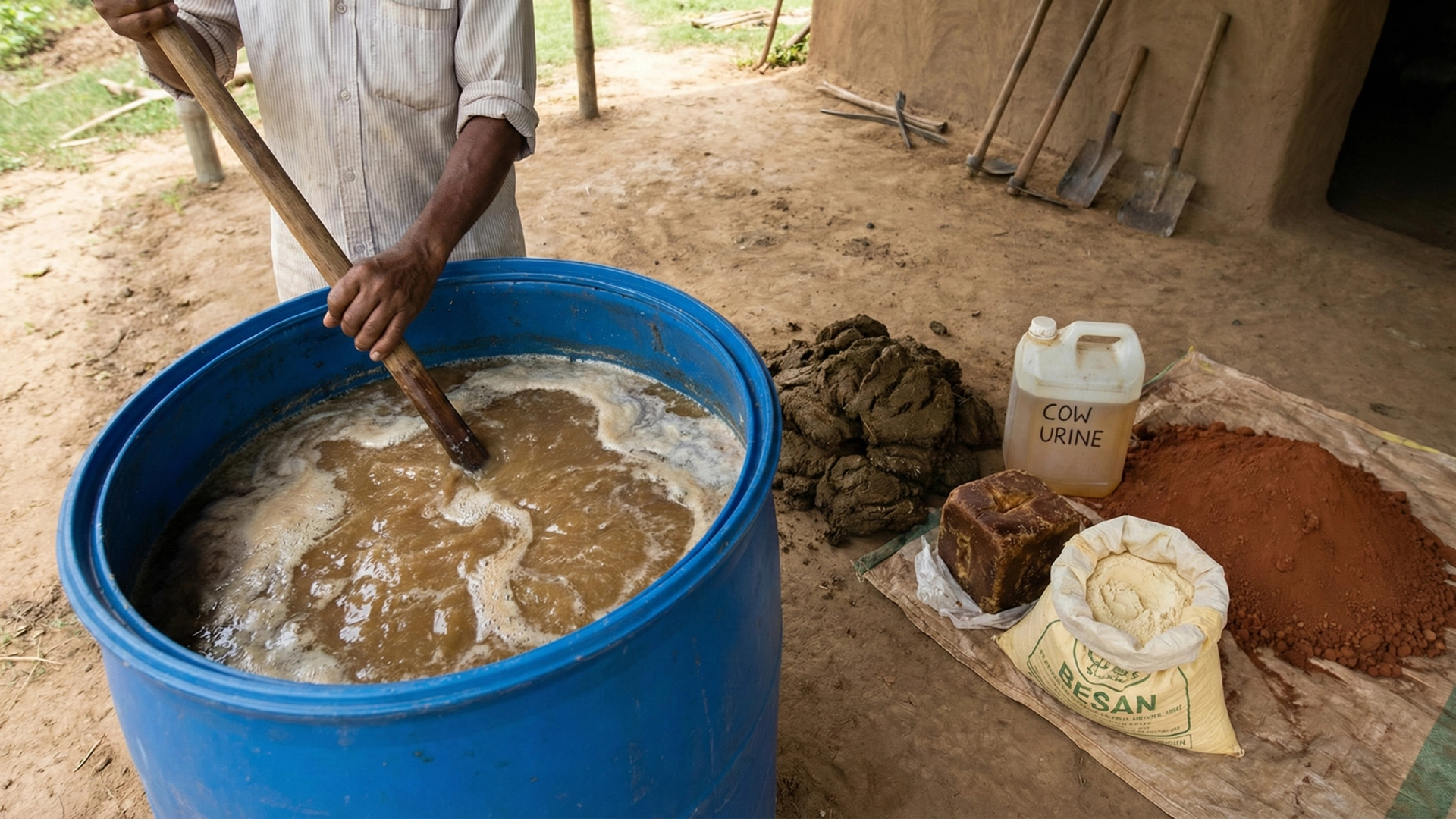
The “Breaker Enzyme” slurry is a purpose-built, fungal-dominant microbial inoculant used only during the first twelve months of soil regeneration in Birbhum’s lateritic zones. Its sole function is to accelerate the decomposition of woody biomass placed inside sub-soiler rip lines so that those fractures do not reseal into dry air pockets that kill roots. Unlike
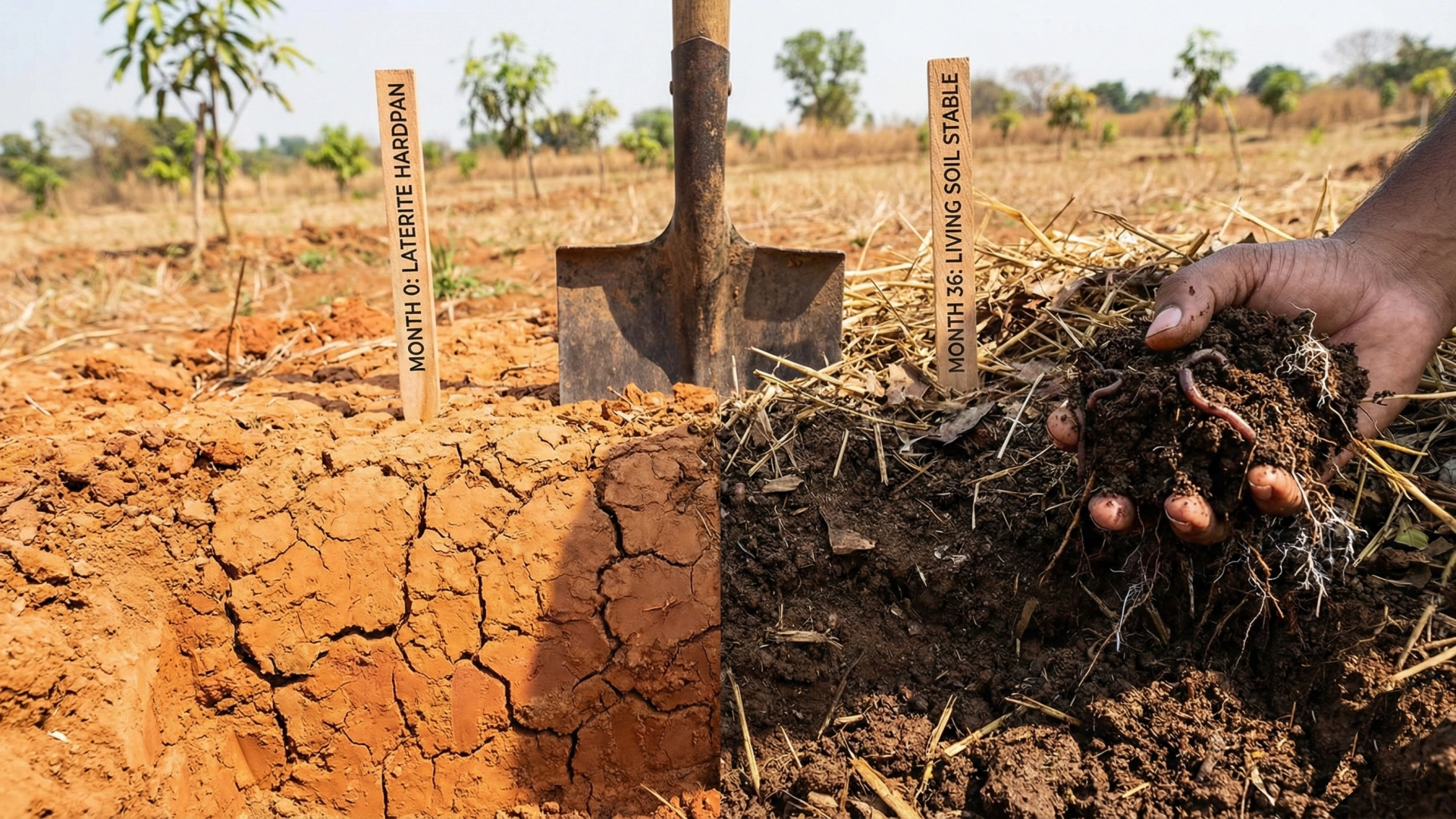
The 36-Month Rule: Why Soil Regeneration Cannot Be Rushed in Birbhum’s Laterite
In the red lateritic belt of Birbhum, West Bengal, building living soil is a minimum 36-month biological process. There are no shortcuts. While surface appearance can improve within six months, stabilising Soil Organic Carbon above 0.8 percent and establishing a self-sustaining fungal network requires three full monsoon cycles. Year one repairs physical structure. Year two
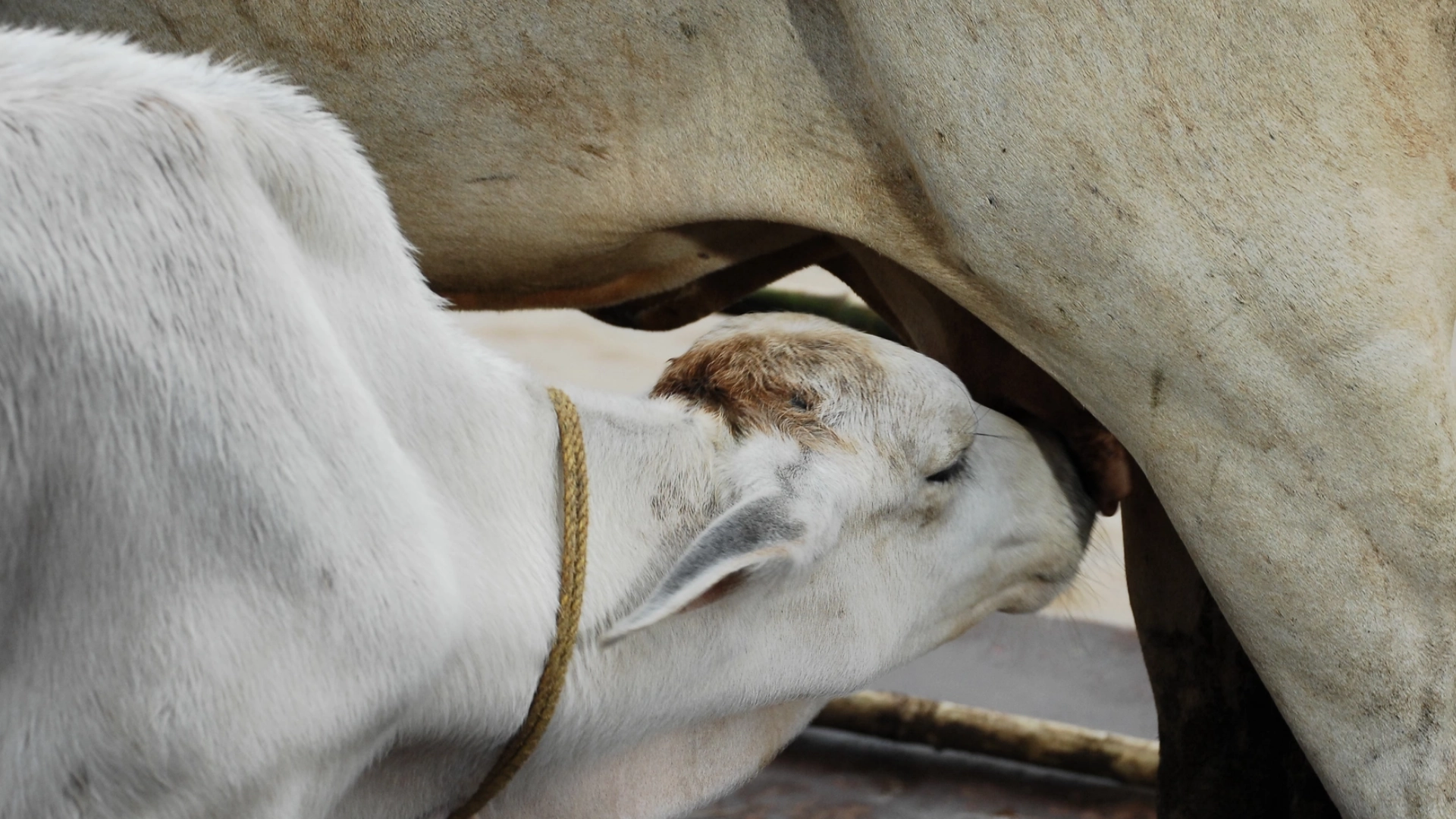
Why Most Calf Rearing Fails on Small Farms and How to Fix It
Successful calf rearing on small natural farms depends on early immunity transfer, controlled milk access, clean housing, gradual rumen development, and minimal stress, not on expensive feeds or medicines. At Terragaon Farms in Birbhum, West Bengal, calves raised under natural, low-intervention systems showed stronger immunity, better growth consistency, and lower mortality than calves raised with