
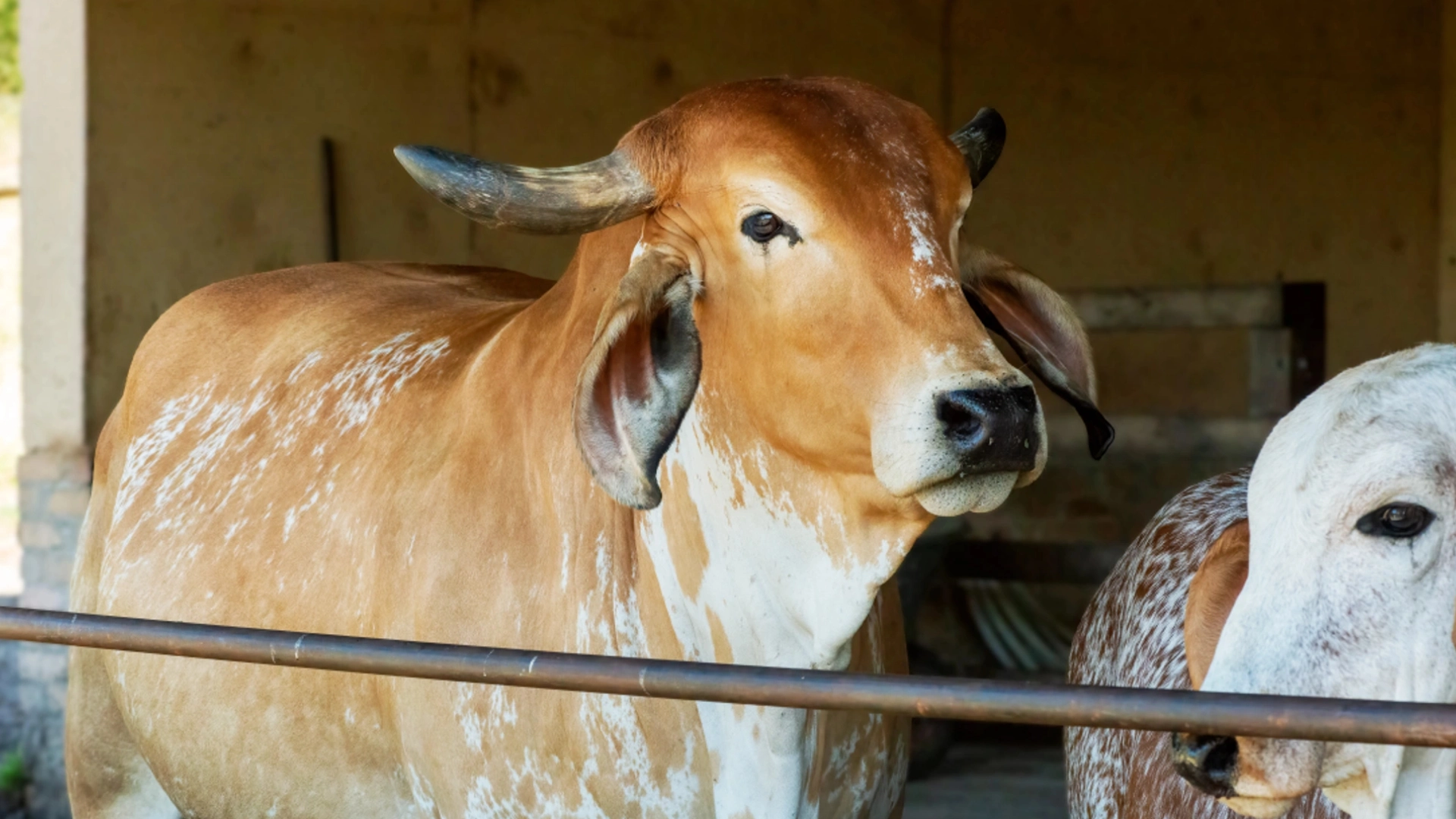
Why daily routine matters more than inputs
On a small natural dairy farm, routine is not a timetable. It is the system itself. Feed quality, animal health, milk yield, labour stress, and even veterinary costs are shaped less by what you buy and more by how consistently daily work is done.
At Terragaon Farms in Birbhum, we have seen that when routines drift, problems appear quietly. Milk dips without obvious disease. Dung quality changes before the cow looks sick. Labour feels heavier even though the work is the same. Natural dairying works only when the day has rhythm.
This article documents a realistic daily routine for a small Indian natural dairy farm with two to six indigenous or crossbred cows, managed with family labour and low external inputs. This is not an idealised schedule. It reflects what actually holds up under heat, cost pressure, and limited manpower.
Early morning observation before action
The day starts before any tool is picked up. Observation comes first.
Between 4:30 and 5:30 am in summer, slightly later in winter, we walk through the shed quietly. We look for posture, chewing, dung consistency from the night, and whether all animals rise easily.
This five to ten minutes saves hours later. Early signs of heat stress, acidosis, or mastitis show here, not during milking. Natural systems depend on noticing small deviations early because corrective margins are narrow.
No feeding or milking should start before this scan.
Morning milking as a health check, not a production task
Milking usually begins between 5:30 and 6:30 am. On a small natural dairy farm, hand milking is common and often preferable.
Before milking, udders are cleaned with plain water. No antiseptic overuse. The first streams of milk are observed for smell, texture, and colour. This is more valuable than any strip cup test kit for a small farmer.
Milking is done calmly. Rushing increases let-down issues and raises stress hormones, which directly affect milk yield over time. We have observed that cows milked by the same person daily maintain steadier yield even with simple rations.
Milk is filtered immediately and moved out of the shed. Cleanliness here protects household consumption and local sales without expensive chilling systems.
Immediate post-milking feeding strategy
Feeding after milking is not about filling the stomach. It is about stabilising rumen function for the next eight to ten hours.
On small natural farms in Birbhum, this usually includes fresh-cut green fodder if available, dry straw, and a modest homemade concentrate or oilcake mix. Overfeeding concentrate in the morning causes mid-day heat stress and loose dung by afternoon.
Water access is non-negotiable. Cows must drink freely after milking. Many yield problems traced to feed are actually water timing issues.
If mineral supplementation is used, this is the safest window, mixed into moist feed to reduce rejection.
Shed cleaning and dung handling with purpose
After feeding, shed cleaning begins. This is not janitorial work. It is nutrient management.
Dung is collected while still fresh. Urine-soaked bedding is handled separately when possible. On our farm, dung consistency itself guides feed adjustment decisions.
Dung is either moved to compost pits, biogas units, or covered heaps depending on the system. Leaving dung exposed in the shed attracts flies and ammonia loss, both of which stress animals and people.
A small natural dairy cannot afford nutrient leakage. What exits the cow must re-enter soil cycles intentionally.
Mid-morning rest and grazing or fodder access
Between 9:30 am and 12 pm, cows should not be disturbed unnecessarily. This is rumination time.
If grazing is available, limited-duration grazing works better than free roaming under Indian conditions. Heat, parasite load, and fencing realities matter. Many small farms rely on cut-and-carry fodder instead, which is a valid adaptation.
Labour during this window shifts to fodder cutting, compost turning, or field work. Dairy chores pause unless there is a health concern.
Natural dairying respects rest cycles. Productivity is lost when cows are kept standing or waiting without reason.
Afternoon heat management and water discipline
From noon to 3 pm, especially in summer, the farm’s priority is heat stress control.
Shade, airflow, and water access matter more than feed during this window. Sprinkling water on floors, not directly on animals, helps reduce ambient heat without causing skin issues.
We have learned that forcing feed intake during peak heat reduces overall daily intake. It is better to wait.
This is also when subtle health issues show up. A cow standing apart or refusing to lie down should be noted for evening reassessment.
Evening feeding and second milking
Evening feeding usually begins around 4:30 to 5 pm, followed by milking between 5:30 and 6:30 pm.
This feeding can be slightly heavier than morning because ambient temperatures are lower. Still, balance matters. Sudden ration changes show up as night-time digestive stress.
Evening milking mirrors morning discipline. Clean udder, calm handling, observation first, output second.
Milk from evening milking is often for household use or next-day sale. Clean handling reduces spoilage without chemical preservatives.
Night settling and final checks
Before closing the shed for the night, one final walk-through is essential.
We check that animals are lying comfortably, water containers are full, and no cow shows abnormal breathing or restlessness. This is when bloat, calving signs, or injury are most likely to be noticed early.
Lights are kept minimal. Darkness supports rest.
A natural dairy day ends quietly. Noise, light, and late-night disturbance reduce next-day productivity more than most farmers realise.
A concise answer for quick understanding
A small natural dairy farm runs on rhythm, not intensity. Each day follows observation, calm milking, balanced feeding, disciplined dung handling, protected rest, and heat-aware management. When routine is stable, cows stay healthier, labour feels lighter, and costs stay predictable even with low inputs.
Transferability and limits
This routine reflects conditions in Birbhum, West Bengal, with indigenous cows, and limited mechanization. Regions with colder climates, stall-fed commercial systems, or high-yield exotics will require adjustments in timing and feed strategy.
Natural dairying is not one schedule copied everywhere. It is a logic applied locally.

Krittika Das is a field practitioner and primary author at Terragaon Farms in Birbhum, West Bengal. Her writing is grounded in daily farm work, long-term soil observation, and small-land realities of eastern India. She focuses on natural farming, soil ecology, ethical dairy, and low-input systems, translating field experience into clear, practical knowledge for farmers and conscious food consumers.