

Natural farming doesn’t reward speed.
It rewards attention.
Why the First 30 Days Matter More Than You Think
Most beginners worry about seeds, yield, and harvest.
But in natural farming, the first 30 days are not about crops.
They are about resetting the soil.
At Terragaon Farms, we’ve seen this repeatedly:
Beginners who rush fail quietly.
Beginners who slow down succeed steadily.
The first month decides whether your soil begins healing or continues struggling.
What Changes in Soil During the First Month
When chemicals are stopped, soil enters a transition phase:
- Microbial life begins to recover
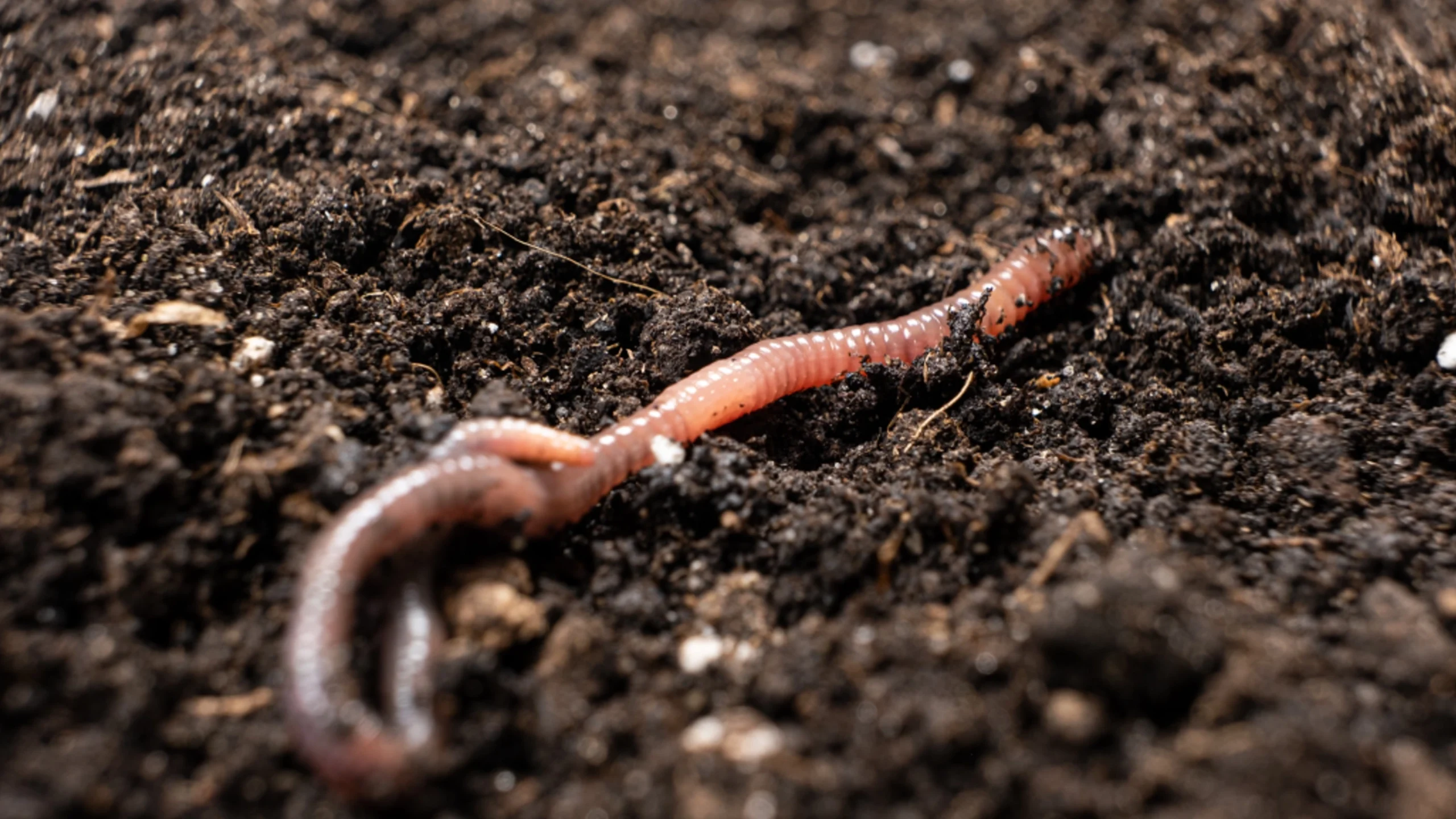
- Earthworms slowly return
- Water retention improves
- Root systems behave differently
The soil may look “inactive,” but life is reorganizing underground.
This is normal.
This is necessary.
Week 1: Stop the Damage, Observe Everything
What to Do
- Stop all chemical fertilizers and pesticides
- Stop unnecessary ploughing
- Walk your field or garden daily
- Observe soil texture, moisture, smell
What Beginners Learn
Healthy soil smells earthy, not sour.
Hard soil softens when watered gently.
👉 Do not add anything yet.
The soil needs rest before support.
Week 2: Cover the Soil (Mulching Begins)
What to Do
- Apply mulch using:
- Dry leaves
- Straw
- Crop residue
- Cut grass
- Cover soil lightly, not thickly
Why This Matters
Mulch:
- Protects microbes from heat
- Reduces watering needs
- Prevents erosion
- Feeds soil slowly
At Terragaon Farms, bare soil is treated as a problem, not a practice.
Week 3: Introduce Gentle Biological Support
Optional (If Available)
- Apply diluted jeevamrit to soil
- Treat seeds with beejamrit
- Add small amounts of compost
Important:
These inputs do not feed plants.
They feed soil life.
What Beginners Notice
- Improved moisture retention
- More insects (this is a good sign)
- Less plant stress during heat
Week 4: Plant Slowly, Diversify Early
What to Do
- Plant mixed crops, not monocultures
- Avoid planting everything at once
- Use local, open-pollinated seeds if possible
Why Diversity Matters
Diversity:
- Reduces pest pressure
- Improves soil resilience
- Balances nutrients naturally
Nature dislikes uniformity.
Natural farming respects that.
Common Beginner Mistakes in the First Month
❌ Expecting Immediate Growth
Natural farming works underground first.
❌ Overwatering
Mulched soil holds moisture longer.
❌ Panic Over Insects
Insects mean ecology, not failure.
❌ Comparing with Chemical Farms
Timelines are different. Results are deeper.
What Success Looks Like After 30 Days (Realistic Expectations)
Do NOT expect:
- Maximum yield
- Fast growth
- Perfect leaves
DO expect:
- Better soil moisture
- Stronger root systems
- Less stress in plants
- Improved soil texture
These are foundational wins.
Can This 30-Day Plan Work for Home Gardeners?
Yes.
The same principles apply to:
- Balcony gardens
- Kitchen gardens
- Pots and grow bags
Mulch, observation, and patience scale perfectly.
Frequently Asked Questions
Should I apply jeevamrit in the first week?
No. Allow soil to rest first.
What if plants look slow?
Slow growth early often leads to stronger plants later.
Can I fail in the first 30 days?
You can only fail by rushing.
Final Thoughts: The First Month Is About Trust
Natural farming teaches beginners something rare in modern life. Trust the process.
The first 30 days are not about control. They are about cooperation.
At Terragaon Farms, we don’t ask soil to perform immediately. We give it time to remember how to function. And once it does – everything else becomes easier.