In India, dairy sustainability is often discussed as if it depends on one factor. A better breed. A higher yielding ration. A new supplement. On small farms, this thinking quietly fails. Sustainability does not come from pushing one part harder. It comes from reducing pressure across the whole system.
At Terragaon Farms in Birbhum, West Bengal, dairy became sustainable only when it stopped being treated as a milk unit and started being treated as part of a living farm. Soil, fodder, animals, labor, water, and cash flow were aligned. When alignment improved, stress reduced. When stress reduced, sustainability followed.
This article explains what actually makes natural dairy farming sustainable in India, especially on small land under real constraints.
Sustainability in dairy is about stability, not maximum output
On small farms, sustainability does not mean producing the most milk. It means producing milk without constant crisis.
A sustainable dairy system runs through good seasons and bad ones. It absorbs heat stress. It tolerates fodder shortage years. It does not collapse when feed prices rise or when one animal falls sick.
This kind of stability cannot be achieved by chasing yield. It is achieved by designing systems that keep costs predictable and stress manageable.
Indigenous cows matter because they fit the system
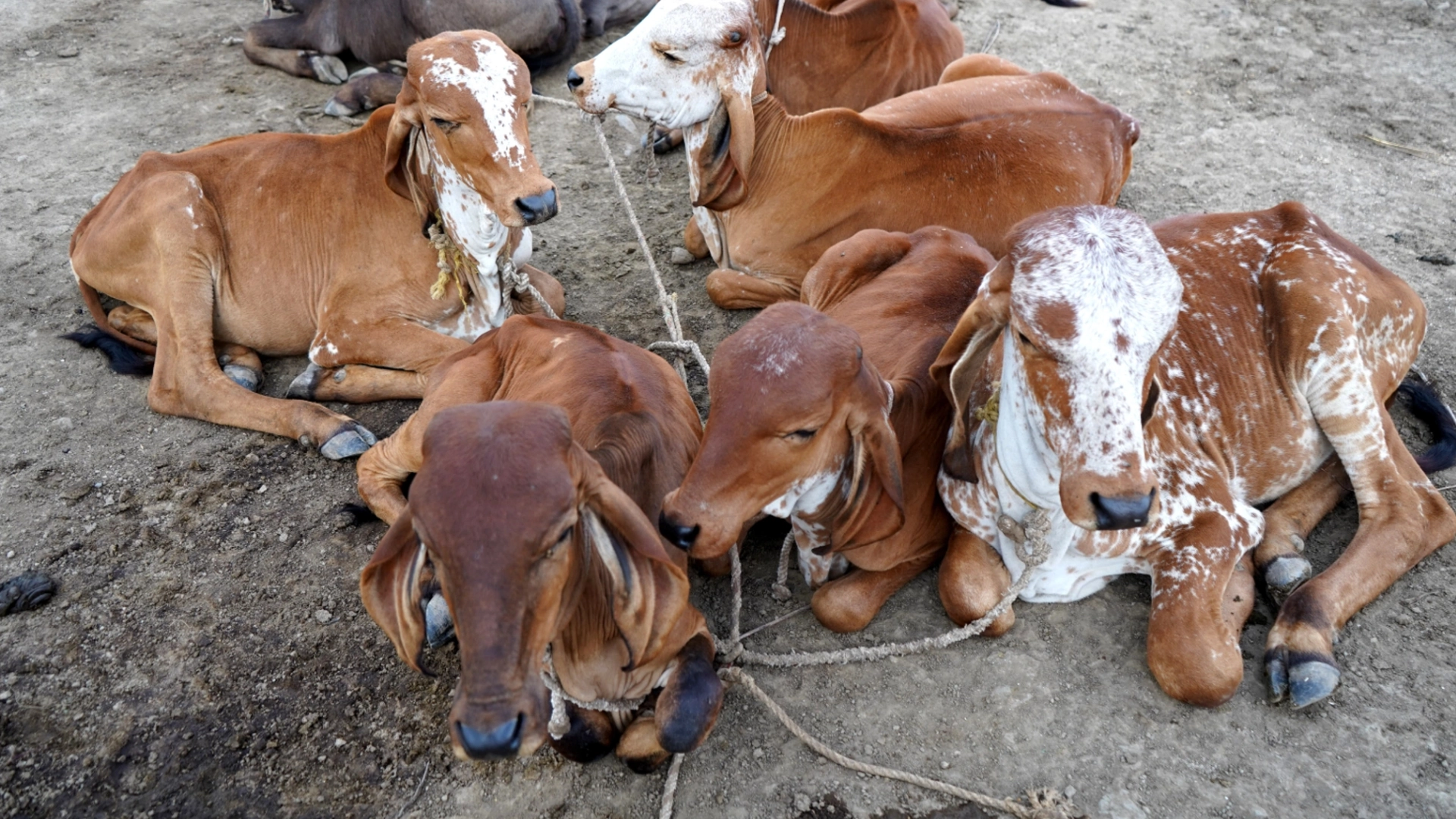
Indigenous cows are not sustainable because of ideology. They are sustainable because they match Indian conditions.
They tolerate heat better. They manage on local fodder. They generally require fewer medical interventions. Their milk yield is moderate, but their maintenance cost is low and predictable.
On small farms, this predictability matters more than peak production. Indigenous cows reduce risk. Reduced risk is the foundation of sustainability.
Feed sustainability decides dairy survival
Feed is the largest and most unstable expense in dairy.
Natural dairy systems remain sustainable only when farm-grown fodder forms the base of feeding. Crop residues, grasses, fodder crops, and tree leaves must supply most of the ration. Purchased feed should remain supplemental.
When dairy depends heavily on market feed, sustainability disappears. Input prices rise faster than milk prices. Margins shrink quietly.
At Terragaon Farms, dairy became calmer only when fodder planning was tied directly to crop cycles and land capacity.
Animal health improves when stress reduces
Sustainability is closely linked to animal health.
In high pressure systems, animals are pushed for yield. Heat stress increases. Digestive problems rise. Veterinary expenses appear suddenly and repeatedly.
Natural dairy reduces pressure. Animals receive balanced nutrition, adequate rest, shade, and manageable workloads. Disease incidence drops not because medicines improve, but because stress reduces.
Lower health shocks protect fragile cash flow on small farms.
Integration with farming systems keeps costs low
Natural dairy works best when integrated with natural farming.
Dung and urine return fertility to soil. Crop residues return as fodder. Soil produces feed. Animals support soil. Waste disappears.
This closed loop reduces expenses across the entire farm, not just within dairy. Costs fall quietly. Dependency reduces.
Labor sustainability is as important as economics
A dairy system that exhausts the family is not sustainable, even if it appears profitable.
Small farms rely on family labor. When dairy demands constant attention without seasonal rhythm, fatigue builds. Care quality drops. Animals suffer. Costs rise again.
Sustainable dairy systems allow labor to flow with seasons. Workload becomes predictable. Families can rest. This human factor is often ignored, but it decides long-term continuity.
Water and climate alignment matter more each year
Climate variability is increasing. Summers are harsher. Water stress is common.
Natural dairy systems respond by reducing water demand through better soil moisture, shade, and fodder choice rather than increasing inputs. Indigenous cows cope better with heat. Integrated farms use water more efficiently.
Sustainability under climate stress comes from adaptation, not escalation.
Market realism protects farmers
Many farmers assume premium pricing for milk. This assumption often breaks sustainability.
Natural dairy works best with local markets, known customers, and realistic pricing. Trust and consistency matter more than labels. Premiums, where available, should be treated as opportunity, not guarantee.
Overinvestment based on assumed prices leads to loss.
Why natural dairy fails when these elements are missing
Natural dairy fails when it becomes symbolic rather than systemic.
Using natural inputs without fodder planning does not work. Keeping indigenous cows without reducing yield pressure fails. Integrating compost without reducing disturbance disappoints.
Sustainability requires alignment across the system. Partial adoption creates frustration.
Final thoughts
Natural dairy farming in India becomes sustainable not because of one practice, but because of balance.
Indigenous cows, local fodder, integrated farming, manageable labor, realistic markets, and reduced stress create resilience. This resilience allows dairy to continue quietly without constant crisis.
At Terragaon Farms, sustainability appeared only when dairy stopped being a race and started becoming a rhythm. For small farms, rhythm matters more than speed.
Natural dairy is sustainable when it fits the farm’s reality. When it does not, no label or method can save it.

Krittika Das is a field practitioner and primary author at Terragaon Farms in Birbhum, West Bengal. Her writing is grounded in daily farm work, long-term soil observation, and small-land realities of eastern India. She focuses on natural farming, soil ecology, ethical dairy, and low-input systems, translating field experience into clear, practical knowledge for farmers and conscious food consumers.