
When people talk about natural farming, the first question is rarely about soil.
It is almost always about money.
“How much will it cost?”
“Can I afford it on small land?”
“Will I lose money if yields drop?”
These questions come from fear, not ignorance. For small farmers and home growers, one wrong season can mean debt, not experimentation.
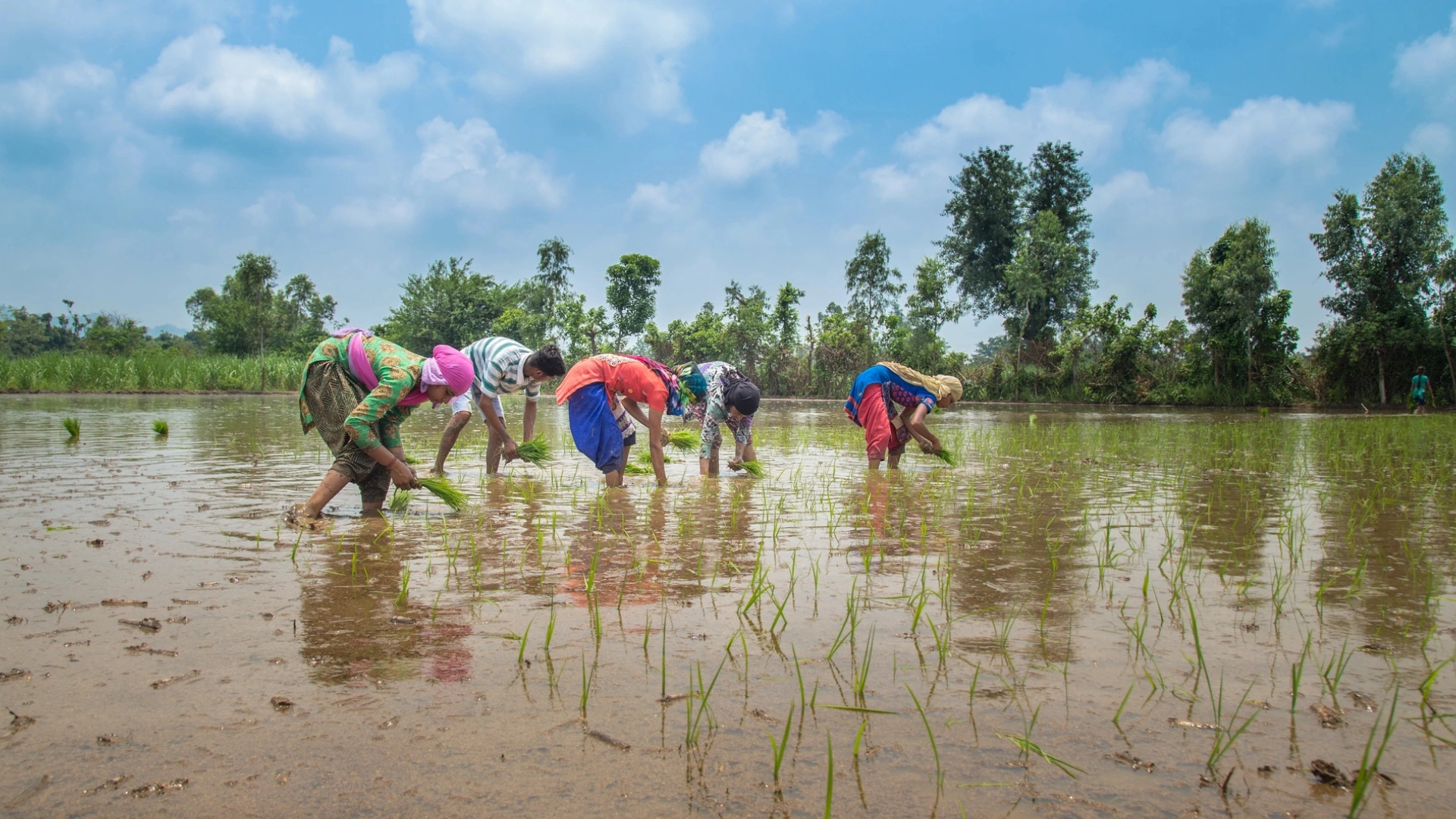
When Gopal switched to natural farming on his quarter-acre plot near Suri, his biggest worry was not pests or yield. It was survival. Chemical farming had already pushed him into borrowing every season. He wanted out, but he could not afford another risky method.
What he slowly discovered is something many beginners eventually learn.
Natural farming on small land does not reduce costs by magic.
It reduces costs by removing what was never necessary.
The biggest expense in small land farming is not labour, it is inputs
In chemical farming, most expenses come before the seed even touches soil.
Fertilizers.
Pesticides.
Weedicides.
Growth boosters.
Repeated sprays.
On small land, these costs hurt more because they cannot be spread over large output. Every bag, every bottle eats into income.
Natural farming changes this structure completely.
Instead of buying fertility, it rebuilds it.
Instead of purchasing protection, it restores balance.
For beginners on small land, this shift is not ideological. It is practical.
Seed costs become smaller over time
In the first season, many beginners still buy seeds. That is fine.
But natural farming encourages open-pollinated, local varieties. These seeds can be saved, shared, and reused.
On small land, seed saving becomes manageable. You do not need large storage. You do not need complex systems.
After one or two seasons, seed cost often drops close to zero.
This single change removes a hidden expense many farmers never question.
Fertilizer costs quietly disappear
Chemical fertilizers are one of the largest recurring costs in farming.
Natural farming replaces them with compost, mulch, and time.
Kitchen waste compost costs nothing. Leaf compost costs nothing. Crop residue costs nothing. Mulching uses materials already present on the farm or nearby.
Even when beginners buy some organic matter initially, the cost is far lower than chemical inputs and decreases each season.
On small land, this reduction is felt immediately because expenses are visible and personal.
Pest control expenses drop without drama
Beginners fear pest losses more than anything else.
In chemical farming, pest control is constant and expensive. Sprays become routine. Resistance builds. Dosage increases.
Natural farming on small land behaves differently.
Diverse crops reduce pest spread. Healthy plants resist stress better. Beneficial insects return gradually.
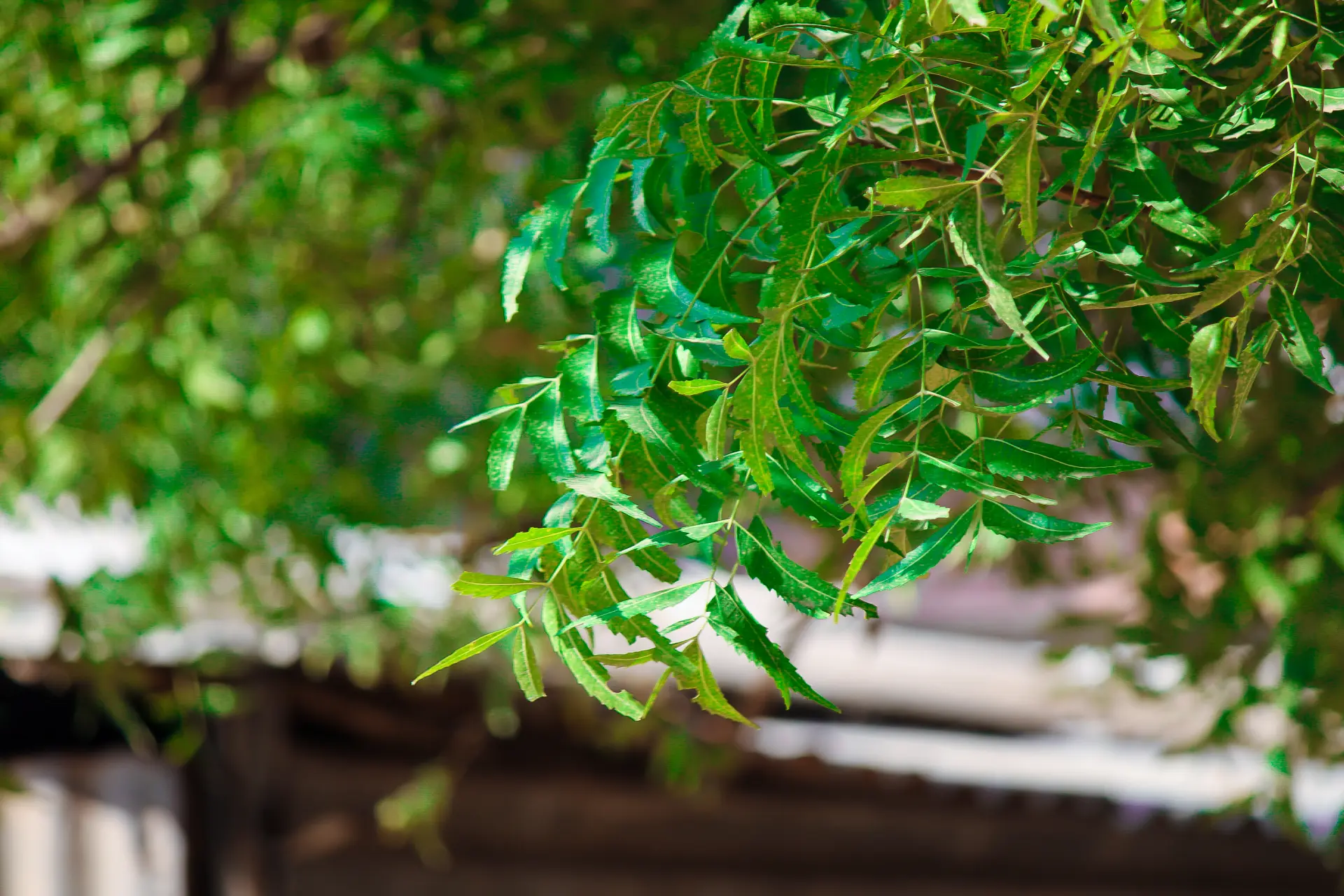
Some seasons still need mild herbal sprays, but these are occasional, not routine. Garlic, neem, chilli based solutions cost little and are often prepared at home.
The real saving is not just money. It is peace.
Labour costs feel higher before they feel lower
This is where many beginners get confused.
In the first season, natural farming on small land can feel labour heavy. Mulching, composting, observing, adjusting water, all require time.
But much of this labour replaces purchased inputs.
Over time, something changes.
Weeds reduce because soil stays covered.
Watering becomes less frequent.
Plants grow stronger with less intervention.
By the second or third season, labour becomes lighter than chemical farming, not heavier.
Small land magnifies this change because systems stabilize faster.
Water and electricity costs often reduce
Mulched soil holds moisture longer. Living soil absorbs rain better.
This reduces irrigation frequency, especially important in dry months.
For small land farmers using electric pumps or motorized watering, this reduction translates directly into lower electricity bills.
In home gardens and small plots, the saving may feel small, but it is consistent.
Consistency matters more than size.
Hidden costs natural farming removes
Some costs are not written in notebooks.
Doctor visits from chemical exposure.
Soil repair after years of damage.
Stress from rising input prices.
Dependency on credit.
Natural farming on small land removes these slowly, quietly.
Farmers often realize the benefit only when they stop worrying every season.
What beginners should budget realistically
Natural farming is not free farming.
There are still costs.
Basic tools.
Initial seeds.
Some organic matter if soil is very poor.
Time spent learning.
But these costs are stable. They do not rise every year.
That stability is what small land farmers value most.
Why small land farmers adapt faster
On small land, mistakes are cheaper. Adjustments are quicker. Feedback is immediate.
Large farms can hide inefficiencies. Small land exposes them.
This is why natural farming cost breakdowns look better on small plots than on large farms in the early years.
Efficiency grows from attention.
A quiet shift many beginners notice
After two or three seasons, many small land farmers stop calculating cost per crop.
They start looking at overall balance.
Less debt.
Less stress.
More control.
Food that feels nourishing again.
Natural farming on small land does not make people rich quickly.
It makes farming sustainable in a world where sustainability is no longer optional.
Final thoughts
Natural farming does not reduce costs by cutting corners.
It reduces costs by removing dependence.
On small land, this freedom matters more than yield charts.
At Terragaon Farms, we have seen that when farmers stop paying to fix soil problems and start preventing them instead, farming becomes possible again.
Not easy.
But honest.
And on small land, honesty goes a long way.