
Natural Farming
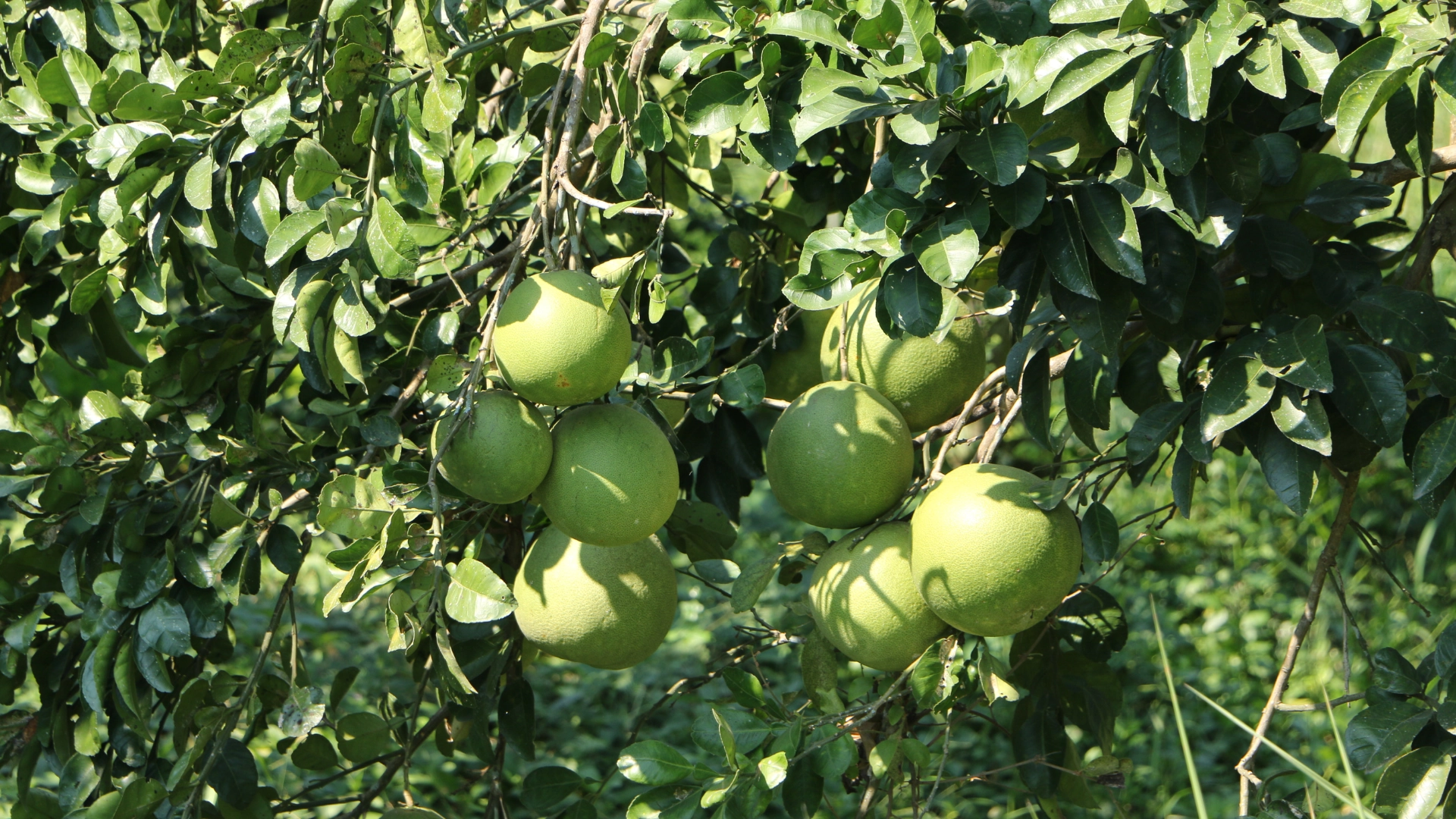
Learning Natural Farming on Small Land: What to Focus On First
Small land does not forgive confusion. Every mistake shows up quickly in cost, labor pressure, or crop stress. This is why learning natural farming on small land requires different priorities than learning it on larger farms. The order in which you learn skills matters as much as the skills themselves. At Terragaon Farms in Birbhum,
Are You Ready to Start Natural Farming? A Self-Assessment Guide
Interest in natural farming often begins with a feeling. Discomfort with chemicals. Curiosity about soil. A desire to grow cleaner food. These are good reasons to explore. But interest alone does not equal readiness. Natural farming asks more from the farmer than most people realize, especially in the first few seasons. At Terragaon Farms in
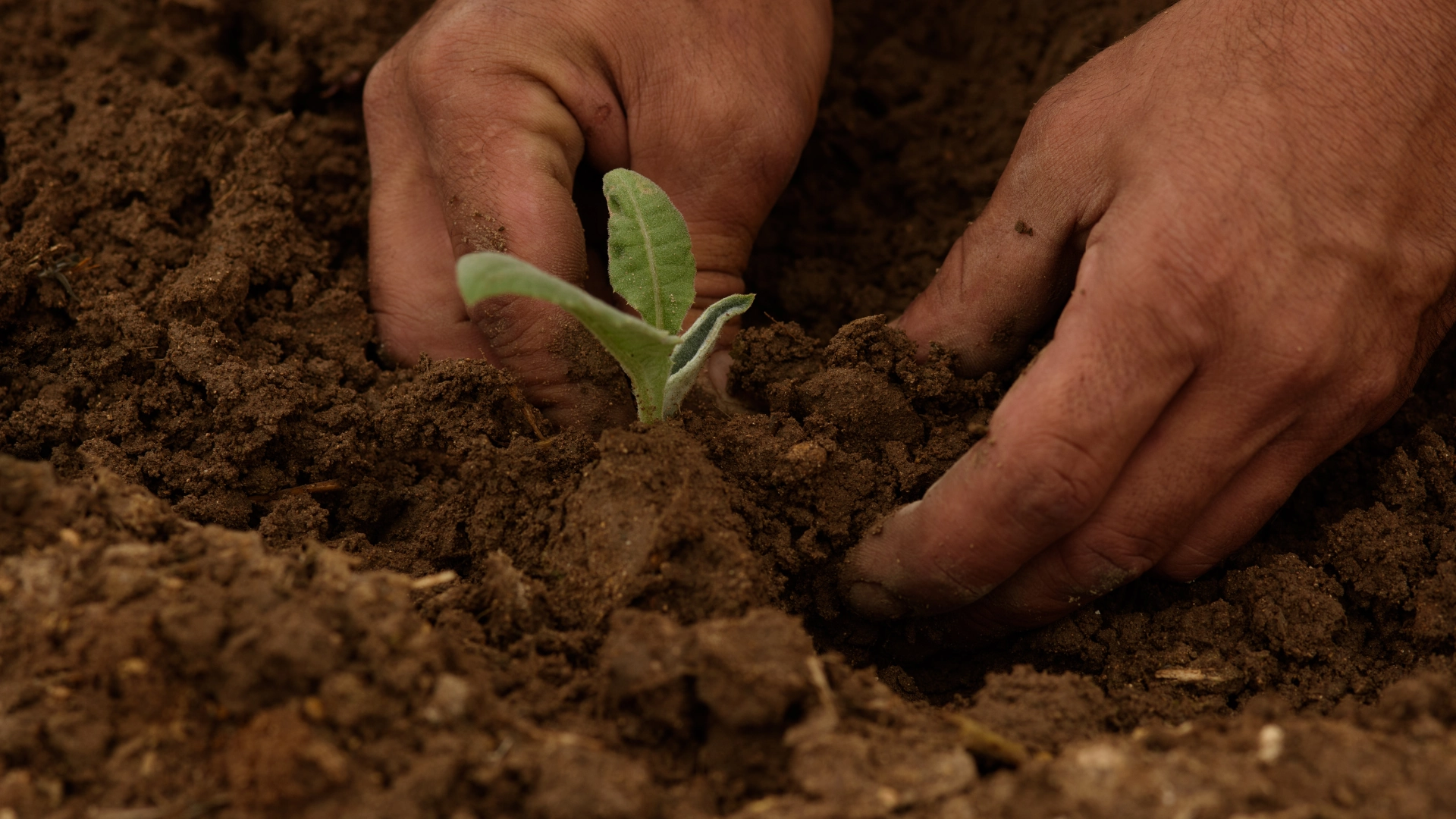
How to Learn Natural Farming the Right Way (Not Through Shortcuts)
Many people come to natural farming with urgency. They want to leave chemicals. They want clean food. They want fast results. This urgency is understandable, but it often becomes the first mistake. Natural farming is not difficult because it is complex. It is difficult because it refuses shortcuts. At Terragaon Farms in Birbhum, West Bengal,
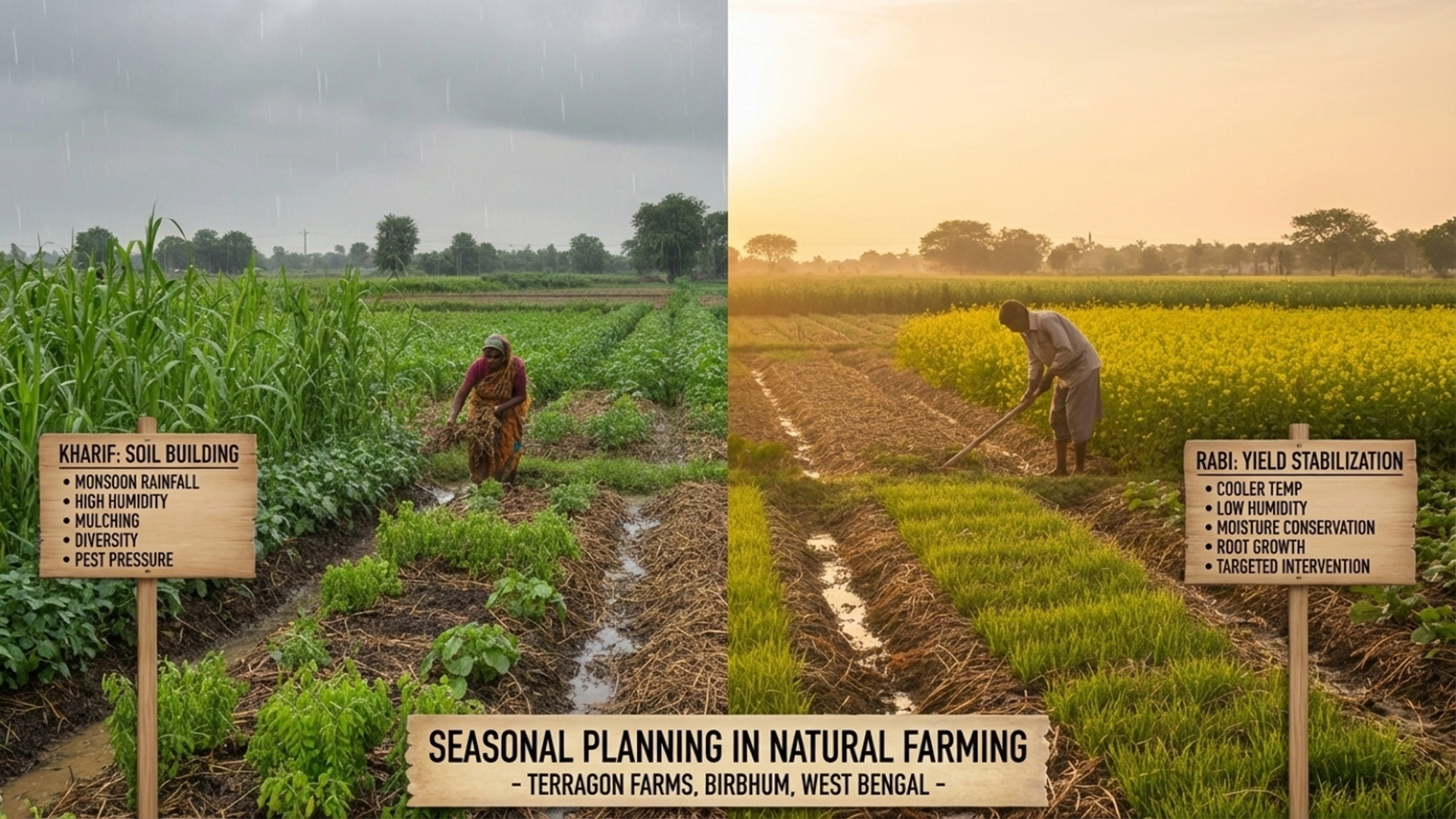
Seasonal Planning in Natural Farming: Kharif and Rabi
Many farmers treat Kharif and Rabi as fixed calendars. Inputs change, crops change, but planning remains reactive. In natural farming, seasons are not just time periods. They are biological phases that determine soil recovery, moisture balance, pest behavior, and labor pressure. At Terragaon Farms in Birbhum, West Bengal, natural farming began to work only when
Common Mistakes Farmers Make When Switching to Natural Farming
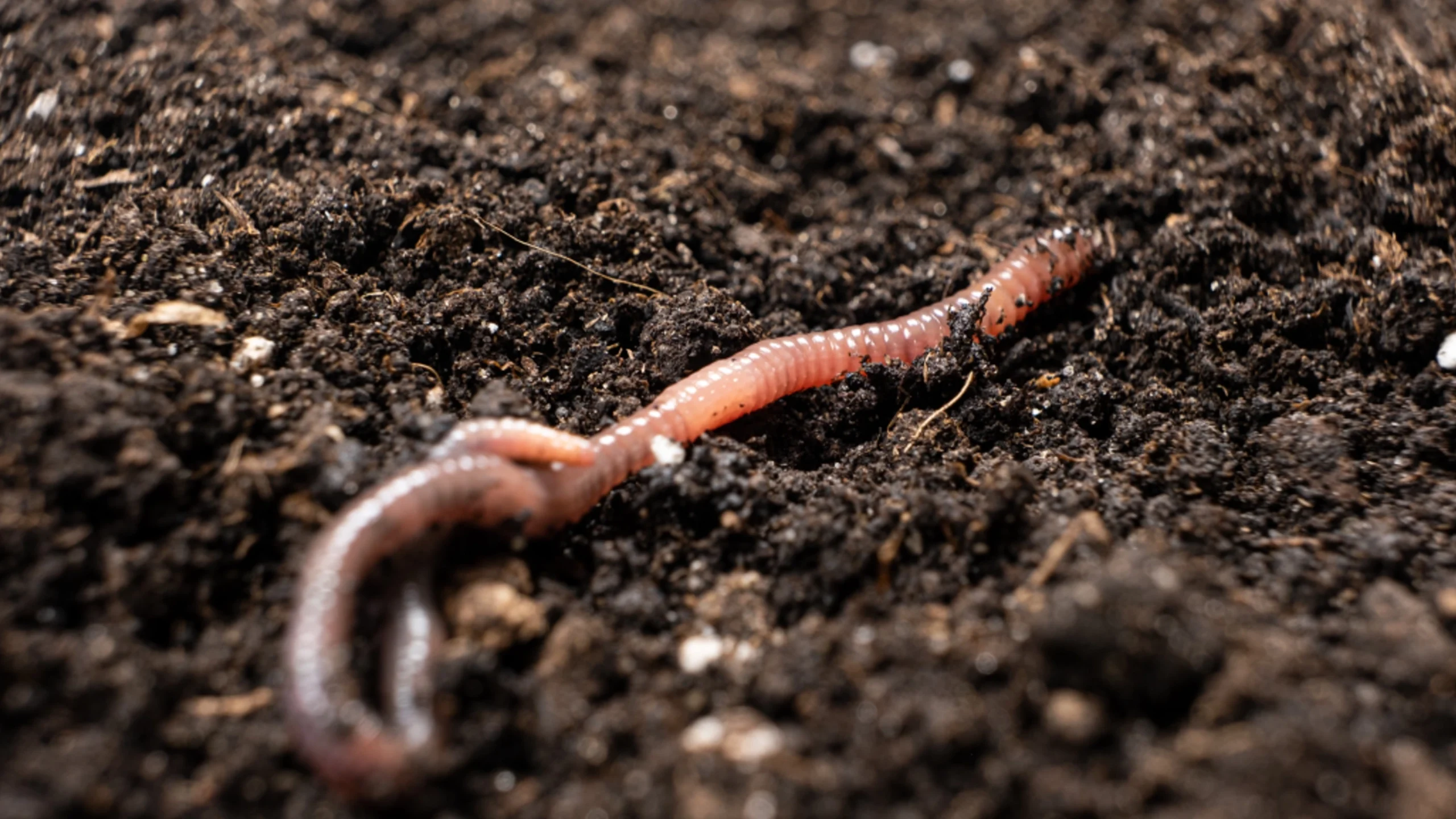
Most failures in natural farming do not come from the method itself. They come from how the transition is handled. Across India, many farmers try natural farming with genuine hope, only to abandon it after one or two seasons. When this happens, the conclusion is often that natural farming does not work. In reality, what

How Long Soil Takes to Recover After Chemical Farming
One of the most common and honest questions farmers ask before switching to natural farming is this. How long will my soil take to recover after years of chemical use. This question matters because soil recovery is not abstract. It affects yield stability, input reduction, water use, and confidence. If expectations are wrong, farmers often
Natural Farming vs Organic Farming in India
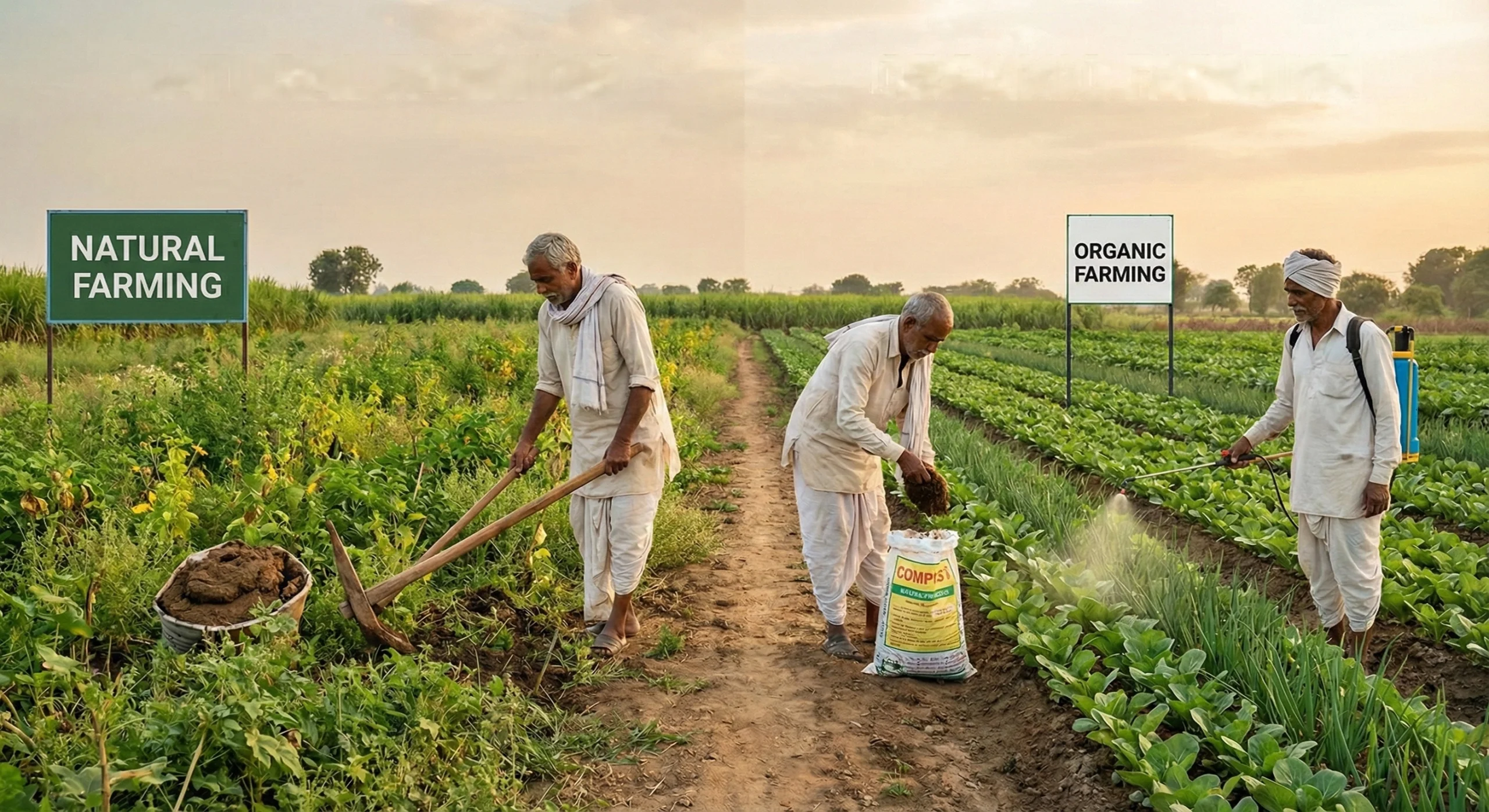
In India, natural farming and organic farming are often spoken about as if they are the same thing. For small farmers, this confusion is not academic. It affects costs, risk, and whether farming remains viable beyond a few seasons. At Terragaon Farms in Birbhum, West Bengal, we have practiced and observed both approaches closely. The
Natural Farming Profitability on Small Farms
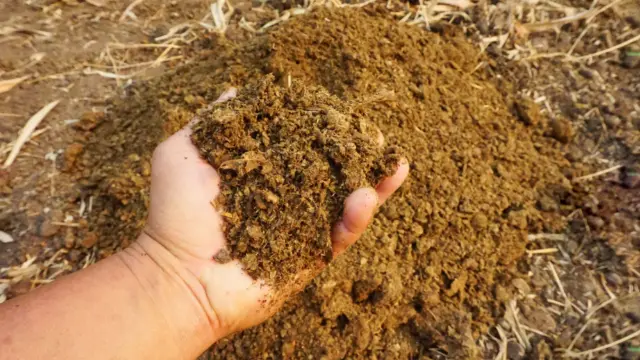
Profitability on small farms is often misunderstood. Most discussions focus on yield per acre or market price per kilogram. On small holdings, neither decides survival. What matters is whether a farm can generate stable income without pushing the family into debt, stress, or repeated reinvestment just to stay afloat. At Terragaon Farms in Birbhum, West
Natural Farming Cost Breakdown on Small Land
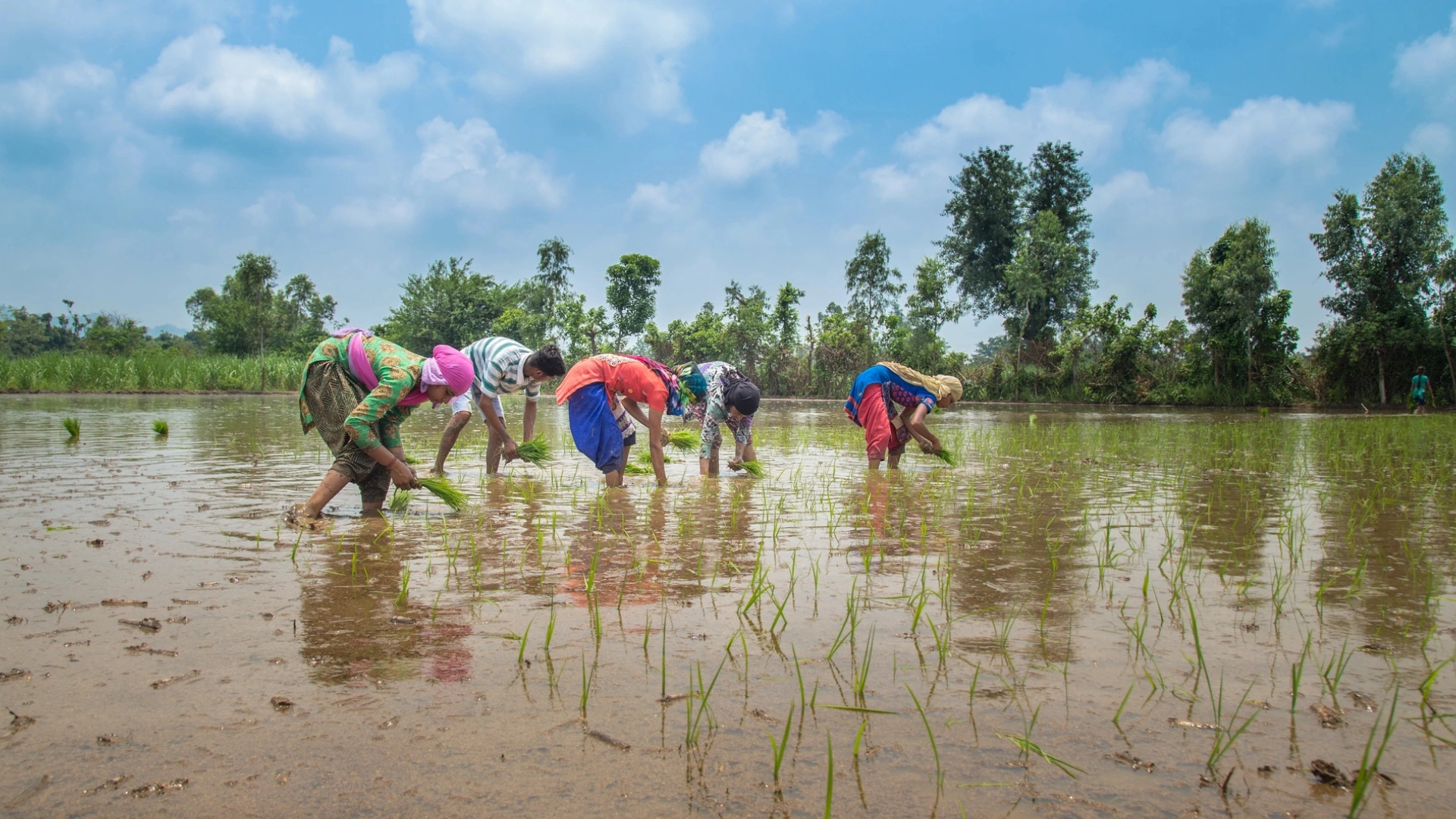
For small farmers in India, the real question is rarely whether natural farming is good or bad. The real question is simpler and harder at the same time. How much will it cost me, especially in the first few years. On small land, cost decides survival. Even one season of high expense without return can
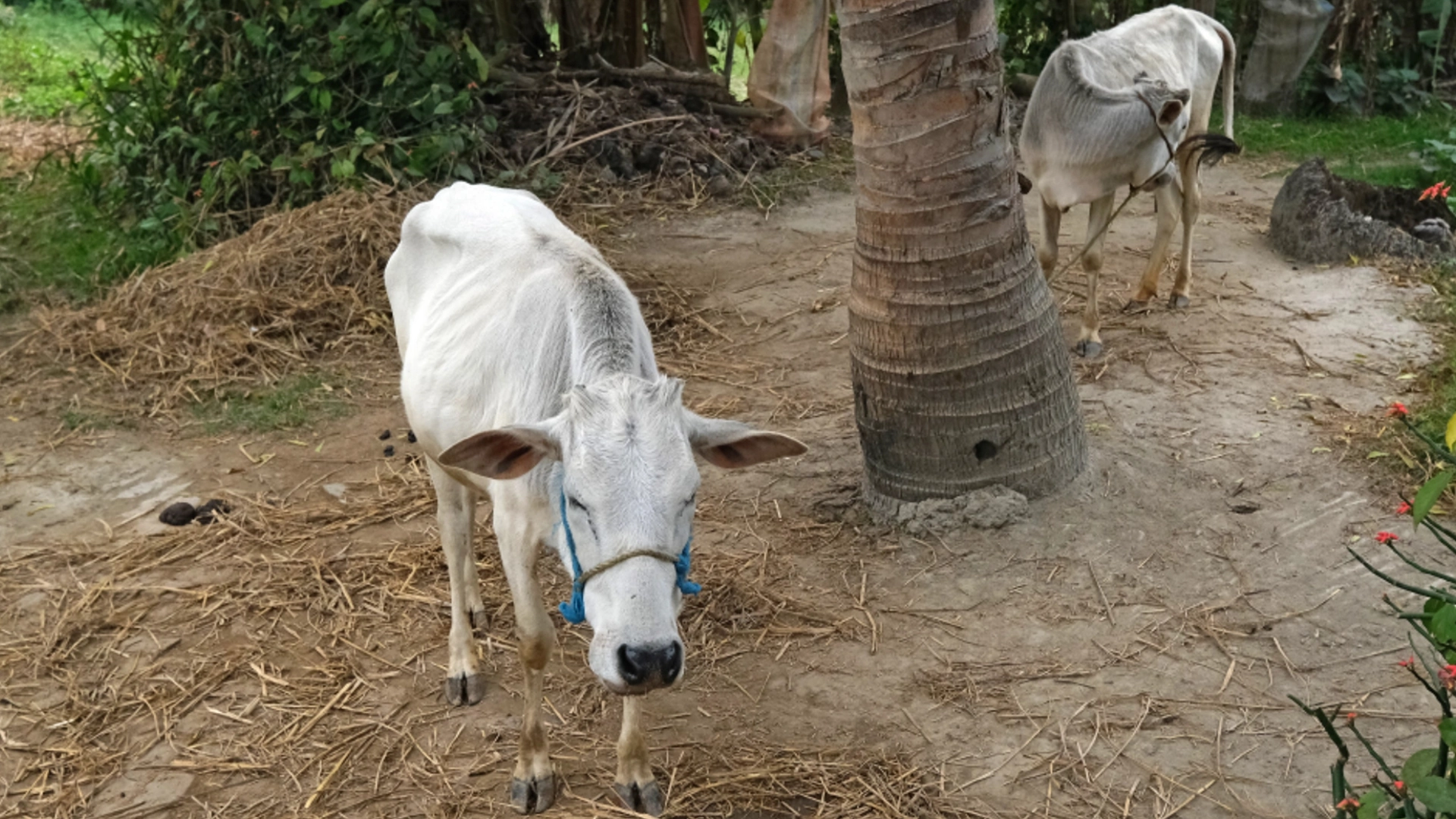
Natural Farming without Cows: What Beginners can Still Do
For many beginners in India, the first hesitation about natural farming appears around one question. What if I do not have cows. This concern is understandable. Much of the conversation around natural farming highlights indigenous cow based inputs, and beginners often assume that without cows, natural farming is impossible. At Terragaon Farms in Birbhum, West