
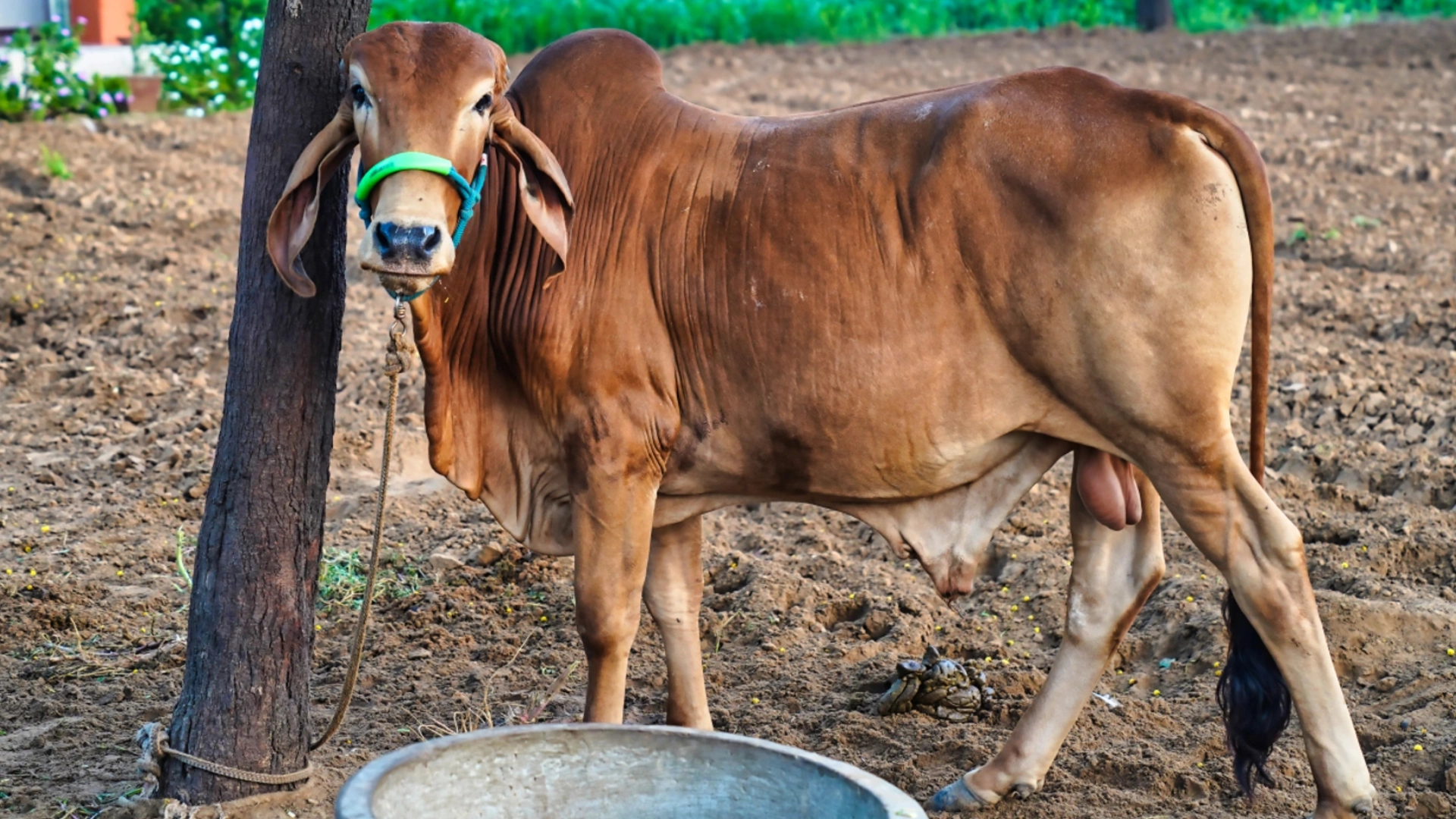
Many small farmers are confused by the same outcome. Milk yield looks decent. Cows are producing every day. Yet at the end of the month, there is little money left. Sometimes there is loss. This creates frustration because effort is high and output seems visible.
At Terragaon Farms in Birbhum, West Bengal, we saw this pattern clearly. Dairy did not fail because cows produced less milk. It failed because milk yield was treated as the success metric instead of system stability. On small farms, these two are very different things.
This article explains why dairy fails on small farms even when milk yield looks good, using economic and biological logic rather than blame.
Milk yield is output, not profit
Milk yield shows production. Profit depends on what remains after costs.
On small farms, every additional liter of milk usually increases expenses. Feed quantity rises. Water use increases. Labor time expands. Veterinary intervention becomes more frequent. Infrastructure stress increases.
When costs rise faster than income, good milk yield becomes a trap. The farmer works harder for thinner margins.
This is why yield alone is a misleading indicator on small land.
Feed cost quietly eats dairy income
Feed is the largest expense in dairy farming.
Small farms often depend on purchased concentrate to maintain yield. Even when fodder is grown, concentrate becomes the foundation rather than the supplement. Over time, feed cost consumes most of the milk income.
Many farmers calculate daily milk sales but do not calculate monthly feed outflow accurately. The gap appears slowly and feels unavoidable.
When feed dependency rises, dairy becomes fragile. A price increase or supply disruption pushes the system into loss immediately.
Labor is real cost even when unpaid
Family labor is often treated as free. It is not.
Early morning milking, fodder cutting, cleaning sheds, managing sick animals, fetching water, and selling milk consume hours every day. On small farms, this work is done by family members, often women and elderly people.
When labor exhaustion sets in, care quality drops. Animals fall sick more often. Costs rise again.
A system that depends on invisible labor eventually collapses, even if milk yield stays steady.
Veterinary expenses arrive in spikes
Health costs do not appear evenly.
A cow may seem healthy for months and then suddenly require treatment. Heat stress, digestion issues, mastitis, or injury can trigger emergency expenses.
On yield focused systems, animals are pushed harder. Stress rises. Veterinary costs spike more frequently. These expenses wipe out several weeks of milk income at once.
This is why many farmers feel dairy is unpredictable even when production is stable.
Infrastructure loans increase pressure
To increase milk yield, farmers often invest in sheds, machines, or additional animals.
Loans increase fixed costs. Repayment does not pause when cows fall sick, fodder prices rise, or markets slow down.
When milk income fluctuates but repayments remain fixed, stress accumulates. Dairy shifts from livelihood to liability.
Small farms have limited shock absorption capacity. High fixed costs break them quickly.
Water and climate stress reduce margins
Milk yield maintenance requires water availability and thermal comfort.
During summer, water demand rises sharply. Heat stress reduces intake efficiency. Yield may hold temporarily, but animal health deteriorates.
Farmers respond by adding feed or supplements, increasing costs without solving the root problem.
Climate stress makes yield focused dairy expensive to maintain on small land.
Yield hides system imbalance
High milk yield often hides deeper imbalance.
Soil may be degrading. Fodder quality may be declining. Animals may be under stress. Family labor may be overextended.
The system appears productive until one part fails. Then the collapse feels sudden, though it was building quietly.
This is why dairy often fails after a few years rather than immediately.
Why natural dairy systems fail less often
Natural dairy systems do not aim to maximize milk yield.
They aim to stabilize inputs. Indigenous cows, local fodder, reduced feed dependency, and integrated farming reduce cost volatility.
Milk yield may be moderate, but expenses remain predictable. Health emergencies reduce. Labor routines stabilize.
Net income becomes steady even if daily liters are lower.
The real measure of dairy success on small farms
On small farms, success is not liters per cow. It is years of continuity.
Can the system run without debt pressure. Can the family manage the workload. Can animals remain healthy through seasons. Can expenses stay predictable.
If the answer is yes, dairy survives. If not, even good milk yield cannot save it.
Common mistakes that lead to failure
Chasing yield without calculating net income leads to loss. Treating family labor as free hides stress. Increasing herd size without fodder planning increases dependency. Borrowing for yield improvement reduces flexibility.
These mistakes are structural, not personal.
Final thoughts
Dairy fails on small farms not because farmers work less or cows produce poorly. It fails because milk yield is mistaken for success.
At Terragaon Farms, dairy became viable only when we stopped chasing numbers and started designing for balance. Yield became one part of the system, not the driver of it.
For small farms, dairy must absorb stress, not amplify it. When that condition is met, even modest milk yield can sustain a household. When it is not, high production only speeds up failure.

Krittika Das is a field practitioner and primary author at Terragaon Farms in Birbhum, West Bengal. Her writing is grounded in daily farm work, long-term soil observation, and small-land realities of eastern India. She focuses on natural farming, soil ecology, ethical dairy, and low-input systems, translating field experience into clear, practical knowledge for farmers and conscious food consumers.